Pakistan is transferring rapidly  in the direction of solar energy as one of the simplest solutions to the energy crisis. With high energy bills, load-shedding, and growing gas cost, families and agencies are attempting to find long-term relief. Solar panels are proving to be a smart funding source, now not only do they reduce expenses, but in addition they provide energy independence and reduce carbon emissions.

But when it comes to deciding on solar panels, the real challenge begins. The Pakistani solar market is full of options, and three names stand out the most: Canadian Solar, Longi Solar, and Jinko Solar. These are global leaders with proven record tracks; however, each comes with its own pros and cons.

So, which one should you select for your home? Let’s break it down.

Why Choosing the Right Solar Panel Matters

Solar panels aren’t a short-term purchase. They last 20–25 years; because of this, you’re making a long-term investment in your home’s future energy. Choosing the proper brand influences:

  • Electricity savings: More efficient panels = extra savings
  • System value: Panels are the most important part of your solar system price range.
  • Durability: Good panels perform well even in dust, rain, or warmth.
  • Return on Investment (ROI): Better performance = quicker payback
  • Sustainability: Helps reduce reliance on fossil fuels

For Pakistan, wherein daylight is considerable but weather situations are harsh, choosing the proper solar panel is essential for getting quality value for money.

Solar Energy Potential in Pakistan

Before comparing manufacturers, it’s critical to recognize why Pakistan is best for sun strength:

  • Sunlight: Pakistan gets 8–10 hours of daylight per day in most area.
  • Solar Irradiance: Levels are sufficiently high to assist efficient energy generation.
  • Energy Crisis: With circular debt and fuel shortages, solar is a strong alternative.
  • Government Support: Net metering policies allow homeowners to sell more energy back to the lower grid.

This makes investing in solar panels one of the smartest economic choices a Pakistani family could make nowadays.

Overview of the Top Three Solar Panel Brands

1. Canadian Solar Panels

Canadian Solar has been in the market for over two decades and is considered a worldwide leader. It is famous in Pakistan for its affordability and reliability.

  • Efficiency: 18%–22%
  • Warranty: 12-year product, 25 year performance
  • Technology: Mono PERC, Half-Cut Cells, Bifacial Panels
  • Key Strengths: Balanced cost vs. efficiency, exact for medium-price-range families
  • Best Suited For: Families looking for a dependable choice without overspending

2. Longi Solar Panels

Longi is a premium Chinese brand and the biggest supplier of monocrystalline solar panels worldwide. It is extensively utilized in Pakistan because of its high technology and higher performance stages.

  • Efficiency: 19%–23%
  • Warranty: 12-year product, 25-year overall performance
  • Technology: Mono PERC, Half-Cut, Bifacial, HJT
  • Key Strengths: Excellent performance in high heat and dusty conditions, ideal for rooftops with confined areas
  • Best Suited For: Households that need maximum output and quicker return of investment, although initial costs are higher.

3. Jinko Solar Panels

Jinko Solar is one of the most broadly distributed brands in Pakistan and is frequently chosen for budget-friendly installations. Despite being lower priced, it gives strong efficiency and reliability.

  • Efficiency: 18%–22%
  • Warranty: 12-year product, 25-12 months performance
  • Technology: Mono PERC, Tiger Series, N-Type TOPCon, Bifacial
  • Key Strengths: Cost-effective, broadly available, and durable enough for most situations
  • Best Suited For: Homeowners seeking out low-cost solar solutions with reasonable efficiency.

Detailed Comparison: Canadian vs. Longi vs. Jinko

FeatureCanadian SolarLongi SolarJinko Solar
Efficiency18–22%19–23%18–22%
DurabilityHighVery HighHigh
Performance in HeatGoodExcellentGood
TechnologyMono PERC, Half-Cut, BifacialMono PERC, HJT, BifacialMono PERC, TOPCon, Bifacial
Warranty25 years25 years25 years
Price (PKR/Watt)45–5548–6044–52
Best ForBalanced setupsHigh-efficiency, small rooftopsBudget-friendly systems

Pros and Cons of Each Brand

Canadian Solar

Pros:

  • Affordable pricing
  • Strong warranties
  • It has good efficiency in Pakistan’s climate 

Cons:

  • Not as efficient as Longi
  • These panels may require more rooftop space

Longi Solar

Pros:

  • Highest efficiency levels
  • Strong performance in extreme temperatures
  • They are ideal for small rooftops 

Cons:

  • Slightly higher upfront cost
  • Availability can vary in some cities.

Jinko Solar

Pros:

  • Budget-friendly option
  • Solid performance for the price
  • They are widely available in Pakistan

 Cons:

  • They are not as advanced in technology as Longi
  • They have lower efficiency compared to premium brands

Price Guide in Pakistan (2025 Estimates)

  • Canadian Solar Panels: PKR 45–55 per watt
  • Longi Solar Panels: PKR 48–60 per watt
  • Jinko Solar Panels: PKR 44–52 per watt

Example: For a 5kW system, only for panels (not including inverter/installation):

  • Canadian: PKR 225,000 – 275,000
  • Longi: PKR 240,000 – 300,000
  • Jinko: PKR 220,000 – 260,000

Key Factors to Consider Before Choosing

  1. Budget: Jinko for tight budgets, Longi for premium results.
  2. Roof Space: Longi is ideal if you have limited space.
  3. Climate: Longi performs best in extreme heat.
  4. Energy Needs: Larger families may prefer Longi or Canadian for consistent output.
  5. Future Expansion: Canadian offers balance for gradual upgrades.

Financing Solar in Pakistan

Buying solar panels can feel expensive upfront, but many banks and solar companies now offer:

  • Installment Plans (0% markup in some cases)
  • Green Loans for renewable energy projects
  • Government Net Metering Programs to sell back excess energy.

This makes solar electricity more reachable to middle-income households, not just the wealthy.

Why Solar Panels Are the Future of Homes in Pakistan

  • Energy Security: No more reliance on costly grid electricity.
  • Economic Relief: Payback period of 4–6 years, after which electricity is practically free.
  • Environment-Friendly: Reduces greenhouse gas emissions.
  • Property Value: Homes with solar have higher resale value.

Conclusion

Canadian, Longi, and Jinko are all top selections for Pakistani house owners. The best panel depends on your budget, space, and energy goals:

  • Canadian Solar: Best stability between value and performance.
  • Longi Solar: Premium overall performance and highest efficiency, excellent for long-time period savings.
  • Jinko Solar: Affordable and reliable, perfect for budget-conscious families.

By cautiously weighing your options, you could experience reduced bills, energy independence, and a sustainable lifestyle, all at the same time as contributing to a greener Pakistan.

FAQs

Q1: Which solar panel brand is most popular in Pakistan? 

Longi and Jinko are widely used, while Canadian is popular for balanced pricing.

Q2: How much does a 10kW solar system cost in Pakistan?

On average, between PKR 2.4 and 3.2 million (including panels, inverter, and installation).

Q3: Which panel works best in high heat?

Longi panels are specially designed to perform well in excessive temperatures. Their advanced cell technology ensures less energy loss, making them perfect for hot regions in Pakistan.

Q4: Are Canadian panels better than Jinko?

Canadian solar panels give slightly better stability, while Jinko is more budget-friendly. The choice depends upon whether you value long-term reliability or a lower initial cost.

Q5: Can solar panels work all through load-shedding?

Yes, but only if paired with batteries or a hybrid inverter. This setup permits your home to keep and use solar energy even if the grid is down.

Q6: What is the payback period for solar in Pakistan? 

In Pakistan, solar usually gives payback 4–6 years, depending on electricity usage and panel efficiency.

Net metering is a system that allows you to generate your own electricity using solar panels and send any extra power back to the national grid. This means you can earn credits for the excess energy your solar system produces, which then lowers your electricity bills. It gives you a way to reduce costs and use clean energy without relying completely on traditional power sources.

In Pakistan, net metering is supported by government policies that encourage more people and businesses to install solar panels. When your panels create more electricity than you use, the extra goes to the grid, and you get credited for it. Later, when your system produces less power, you can use those credits to offset your energy costs.

Understanding how net metering works can help you decide if solar power is a smart choice for your home or business. This system is part of a bigger effort in Pakistan to shift towards renewable energy and reduce electricity expenses for consumers.

Key Takeways

  • You can save money by sending extra solar energy back to the grid and earning credits.
  • Government rules make it easier to connect solar panels to Pakistan’s power network.
  • Net metering supports cleaner energy and reduces reliance on traditional electricity sources.

Understanding Net Metering

Net metering lets you manage how you use and share electricity from renewable sources like solar panels. It changes the way your electric meter works and impacts your bills. Its history shows why it became popular around the world.

Definition of Net Metering

Net metering is a billing system that credits you for the extra electricity your solar panels or renewable setup send back to the grid. When your system produces more power than you use, the surplus flows to the electric company’s network.

You earn credits for this extra energy. Later, when your panels produce less electricity, you can use these credits to lower your bills. This setup helps you save money and encourages clean energy use without needing to store power in batteries.

How Net Metering Differs from Traditional Metering

Traditional metering measures only how much electricity you consume from the grid. It does not account for any electricity you produce. Your meter runs only when you draw power, so you pay for every unit used.

With net metering, your meter runs backward when you send electricity to the grid, effectively reducing your total consumption charges. It balances the power you use with what you put back, so you pay only for the net amount.

This system can reduce your overall electricity costs and gives you some control over your energy expenses.

History and Global Adoption of Net Metering

Net metering began in the late 1970s in the United States as solar technology grew. It became a way to help homeowners and businesses save on energy costs while promoting renewable energy.

Today, many countries use net metering, including Pakistan. Pakistan started adopting net metering to support solar energy and reduce reliance on traditional power sources. It fits well with the growing renewable energy goals there and benefits people by making solar power more affordable and practical.

How Net Metering Works in Pakistan

Net metering in Pakistan lets you produce your own electricity using solar energy and send extra power back to the grid. This system helps you save on electricity bills and get credits for surplus energy. You need to meet certain rules, follow a set process, and use approved types of renewable systems.

Eligibility and Requirements

To participate in net metering, you must have a valid electricity connection, typically a three-phase connection. Your solar system size should be between 1 kW and 1 MW. Your property must be eligible under NEPRA’s rules, and the system should be connected directly to your meter.

You need to have proper wiring and meet technical standards. Your solar setup should be certified and comply with Pakistan’s electrical safety codes. A green meter, installed by the distribution company (DISCO), is mandatory to measure both consumption and exported electricity. You must be a registered consumer of a DISCO in Pakistan to apply.

Application and Approval Process

You start by submitting an application to your local DISCO. This requires details about your solar system, property, and existing electricity connection. After submission, the DISCO inspects your site and verifies your system meets all standards.

Once approved, they install a bi-directional meter or green meter. This meter tracks the electricity you consume and the excess you supply to the grid. You will receive credits for any surplus energy sent back. The entire process can take a few weeks, depending on the DISCO’s workload and your documentation.

Types of Renewable Energy Systems Allowed

Net metering in Pakistan mostly supports solar photovoltaic (PV) systems. These are the most common and practical for residential and commercial use. The system must generate clean, renewable electricity that complies with local standards.

Other types of renewable energy like wind or small hydropower are not typically included under current net metering regulations. Your solar panels must be connected to the grid safely, with approved inverters and equipment. This ensures you generate usable power and maintain grid stability.

Technical Aspects of Net Metering

Net metering involves specific technical setups that help you generate, measure, and exchange electricity with the grid efficiently. You must install the right equipment and follow safety rules to connect your renewable energy system properly. Ongoing monitoring ensures your system works well over time.

Bidirectional Metering System

The core of net metering is a bidirectional electricity meter. This meter tracks the electricity you use from the grid and the excess power your solar panels send back.

It runs both ways:

  • When your panels produce more power than you need, the meter credits you for this extra energy.
  • When your use exceeds production, it measures how much power you draw from the grid.

This system allows you to offset your electricity bill by the amount of clean energy you supply. The bidirectional meter must be installed by authorized technicians and approved by your electricity provider to ensure accurate readings.

Grid Connectivity and Safety Standards

Your solar or renewable energy system must meet strict grid connection and safety standards before it can feed energy into Pakistan’s electricity network. You need to use approved inverters that convert your solar energy from DC to AC compatible with the grid.

These standards protect both you and the power grid from faults or damage, such as:

  • Avoiding backfeed during power outages to keep workers safe.
  • Preventing voltage or frequency issues in the distribution network.

Your system must be inspected and certified by relevant authorities before activation. Connecting improperly can cause legal problems or delays in getting net metering approval.

Monitoring and Maintenance

Once your system is running, continuous monitoring is crucial. You should regularly check your meter readings and solar panel performance to ensure you are generating energy efficiently and getting correct credits.

Common methods include:

  • Using online portals or apps provided by your power company.
  • Inspecting panels visually for dirt, shading, or damage.
  • Scheduling professional maintenance yearly to clean panels and check wiring.

Good maintenance helps prevent energy loss and extends the life of your system, saving you money on energy costs over time.

Economic and Environmental Benefits

Net metering helps you save money and supports cleaner energy. It also changes how power moves through the national grid.

Reduction in Electricity Bills

With net metering, your solar panels generate electricity you can use at home. When you produce more energy than you need, the extra power is sent to the grid.

You receive credits for this extra energy, which lowers your monthly bill. This means you pay less for electricity, especially during peak hours.

Over time, these savings can cover the cost of your solar panels. Many users in Pakistan see a clear drop in their utility bills soon after starting net metering.

Promotion of Clean Energy

Net metering encourages you to use solar power instead of traditional fuels. Solar energy produces no greenhouse gases or air pollution.

By using renewable energy, you reduce your carbon footprint. This helps lower the impact on the environment and promotes sustainable living.

Pakistan aims to increase its use of clean energy, and net metering plays a key role in this. It makes solar power more affordable and attractive.

Impact on National Grid

When you send extra energy to the grid, you help reduce demand on power plants. This can lower the risk of power outages or load shedding.

The grid also becomes more stable and efficient with distributed solar energy. This benefits not only you but your community.

However, managing energy flow requires proper infrastructure and regulations. Pakistan is working on policies to support this balance for long-term benefits.

Regulatory Framework and Policies

The net metering system in Pakistan is controlled by official rules that determine who manages it, how you get credited for extra energy, and recent changes affecting the sector. You will find clear guidelines from national authorities about how to set up and benefit from net metering.

Key Authorities and Regulations

The National Electric Power Regulatory Authority (NEPRA) is the main body overseeing net metering in Pakistan. NEPRA issued net metering regulations in September 2015, which allow you to produce your own electricity using renewable sources and sell excess power to your local Distribution Company (DISCO).

The Renewable Energy Act of 2006 also supports net metering, making it part of Pakistan’s broader commitment to clean energy. Each DISCO follows NEPRA’s rules but manages the connection and billing with you.

You must register your solar or renewable system with NEPRA and your DISCO to participate legally.

Tariff Structures and Credits

Under Pakistan’s net metering rules, when your system produces more electricity than you use, your DISCO buys the extra units. This is done through a credit system that offsets your future electricity bills.

You pay for net consumption only, which is your use minus the power you supplied to the grid.

Key points on the tariff:

  • Excess electricity feeds back to the grid.
  • Credits appear as units that reduce your bill.
  • Different DISCOs may have slightly different procedures but follow NEPRA guidelines.

This system ensures you save money and encourages solar power production.

Recent Policy Updates

Pakistan has made recent adjustments to net metering to improve the system’s efficiency and fairness. Some changes address limits on system size and tariff rates, which can affect how much you save.

The Pakistan Solar Association raised concerns that some limits could slow solar installation growth. NEPRA is reviewing tariffs to balance consumer benefits with utility company interests.

You should stay updated on any new NEPRA announcements or DISCO notifications because policies can change, impacting your net metering benefits.

Challenges and Limitations

Net metering in Pakistan faces several hurdles that affect its growth and smooth operation. These challenges impact system setup, government policies, and the level of public understanding. Knowing these issues can help you better navigate them if you plan to adopt net metering.

Technical Barriers

Technical problems often delay net metering installations. One common issue is incorrect wiring or control panel setup. If the control panel logic is not configured properly, it can cause long waits due to rewiring needs. This adds to the cost and time before your system is fully functional.

Another technical barrier is the limited capacity of the existing grid to handle many solar systems feeding power back. Some areas have weak grid infrastructure, which can cause instability or limit how much solar energy you can export.

You should also be aware that maintenance and monitoring systems require proper installation. Without accurate metering equipment, you might face billing mistakes or inaccurate energy credits.

Regulatory and Administrative Issues

Pakistan’s net metering policy involves a series of approvals from distribution companies (DISCOs) and the National Electric Power Regulatory Authority (NEPRA). This multi-step authorization process can be slow and confusing, causing delays.

Regulatory rules can change often or lack clarity. Uncertainty around tariffs, grid connection processes, and ownership rights can discourage you from investing in net metering.

Also, some DISCOs have limited capacity to process applications quickly. You might experience long waiting times for permission and system inspection before you can start using net metering.

Consumer Awareness and Participation

Many people in Pakistan still do not fully understand how net metering works or its benefits. This lack of knowledge can prevent you and others from adopting solar systems.

There is often a gap in information about costs, installation procedures, and how to manage your energy credits. Without clear guidance, you may hesitate or make mistakes in applying for net metering.

Additionally, some consumers have concerns about the reliability and maintenance of solar panels and the net metering setup. This hesitation slows down community participation and reduces the potential growth of renewable energy adoption.

Future Outlook for Net Metering in Pakistan

Net metering in Pakistan is poised for growth thanks to supportive policies and increasing solar adoption. Advances in technology and the country’s need to diversify energy sources mean net metering will play a larger role. You can expect changes that make it easier and more beneficial for solar users.

Potential for Growth

Net metering has strong potential to expand in Pakistan. The government aims to increase renewable energy use, which encourages more people to install solar panels. Urban areas and industries are prime markets because they have high electricity demand and space for solar systems.

New policies are planned to simplify connection procedures and improve financial incentives. This could attract more residential and commercial users. You should watch for lower installation costs and better net metering rates as the market develops. Growth depends on stable regulations and grid upgrades to handle more solar power.

Innovations and Technological Advances

Technology will improve how net metering works in Pakistan. Smart meters and advanced grid systems will make it easier to track solar energy production and use. This means you can get accurate credits and better manage your energy.

Energy storage like home batteries will also become more common. These allow you to save extra solar power for nighttime use instead of feeding it all back to the grid. Emerging tech, such as mobile apps, will help you monitor your energy in real time. This gives you more control and can lower your electricity bills further.

Role of Net Metering in Energy Transition

Net metering supports Pakistan’s shift from fossil fuels to renewable energy. By enabling consumers to generate their own solar power, it reduces pressure on the national grid and cuts greenhouse gas emissions.

You play a key part in this transition by using net metering. Increased solar adoption can improve energy security and reduce power outages. The system also encourages private investment in clean energy, helping Pakistan meet its future energy goals. Clear net metering policies are vital so solar users can confidently contribute to a greener energy mix.

Pakistan’s energy landscape is changing, and solar power is at the heart of this variation. With electricity expenses rising and load shedding still troubling households and corporations, human beings are searching out dependable and long-term solutions. Solar panels have become one of the most trusted picks due to the fact they not only reduce power payments but also provide clean and renewable energy.

But with so many brands to be had, it could be difficult to understand which solar panels are worth investing in. Choosing the right brand ensures better efficiency, durability, and lengthy-time-period returns. In this blog, we’ll explore the top solar panel brands in Pakistan you can trust, what makes them stand out, and the way they are able to benefit homes and businesses in 2025.

Why Choosing the Right Solar Panel Brand Matters

Not all solar panels are created identically. Some may look the same; however, their overall performance, lifespan, and efficiency can vary significantly depending on the brand and technology. Here’s why the brand you choose matters:

  • Efficiency: A top brand gives panels that generate extra strength from the equal quantity of daylight.
  • Durability: Pakistan’s weather is harsh, with high heat, dust, and heavy rains. Reliable manufacturers offer panels built to withstand these situations.
  • Warranty & Support: Reputable brands offer long warranties (often 25 years) and strong after-sales service.
  • Value for Money: Trusted brands’ stability, overall performance, and rate, making sure you get the best return on investment.

Top Solar Panel Brands in Pakistan (2025)

Here are the top solar panel manufacturers extensively trusted in Pakistan for both houses and businesses.

1. LONGi Solar Panels

Why They’re Trusted: LONGi solar Panels is one of the most popular solar panel manufacturers in Pakistan. Known for their high efficiency and advanced monocrystalline technology, LONGi panels are designed to perform well even in low-light situations.

Best For:

  • Homes with limited roof space.
  • Businesses need consistent output.

Highlights:

  • High conversion efficiency.
  • Long warranty periods.
  • Strong performance in Pakistan’s hot climate.

2. JA Solar Panels

Why They’re Trusted: JA Solar is well-known for producing cost-effective but high-performing panels. They are widely used in both residential and business initiatives in Pakistan due to the fact they offer tremendous value for money.

Best For:

  • Homeowners are looking for affordability without compromising quality.
  • Businesses that want reliable performance at a reasonable cost.

Highlights:

  • Balanced price-to-performance ratio.
  • Excellent durability.
  • Widely available in Pakistan.

3. Canadian Solar Panels

Why They’re Trusted: Canadian Solar has a strong international popularity and is considered a top-rate brand in Pakistan. Their panels are regarded for their lengthy-time-period reliability, splendid build, pleasantness, and consistent energy generation.

Best For:

  • Businesses and industries require large-scale solar solutions.
  • Homeowners who want a reliable premium option.

Highlights:

  • Excellent warranties and after-sales support.
  • High efficiency rates.
  • Strong global recognition.

4. Trina Solar Panels

Why They’re Trusted: Trina Solar is another extensively relied-on brand, recognized for inexpensive but long-lasting solar solutions. Their panels perform properly in warm climates, making them appropriate for Pakistan’s weather.

Best For:

  • Homeowners who want affordability with decent efficiency.
  • Businesses looking for large installations at competitive prices.

Highlights:

  • Affordable pricing.
  • Reliable efficiency.
  • Good lifespan and durability.

5. Jinko Solar Panels

Why They’re Trusted: Jinko Solar is one of the biggest solar producers in the world and a leading choice in Pakistan. Their panels use superior half-cellular technology, which improves overall performance and reduces energy loss.

Best For:

  • Large-scale businesses and industries.
  • Homes looking for advanced, long-lasting panels.

Highlights:

  • Cutting-edge technology.
  • High output and efficiency.
  • Suitable for commercial and industrial projects.

Comparison of Top Solar Panel Brands in Pakistan

Here’s a simple comparison to help you choose the best option:

BrandEfficiency LevelPrice Range (PKR per watt)Best ForWarranty
LONGiVery High40–55Homes & Businesses25 Years
JA SolarHigh35–50Affordable Homes & SMEs25 Years
Canadian SolarVery High45–60Premium Homes & Industry25 Years
Trina SolarGood32–45Cost-Sensitive Buyers25 Years
Jinko SolarVery High40–55Businesses & Industries25 Years

Factors to Consider Before Choosing a Brand

When deciding on a sun panel emblem, right here are a few crucial points to keep in mind:

  • Energy Needs: A family of 5–7 people can also want a 5 kW system, at the same time as a company may additionally require 50 kW or more.
  • Roof Space: If the area is constrained, excessive-performance panels like LONGi or Canadian Solar are higher.
  • Budget: For finance-friendly solutions, Trina and JA Solar are popular selections.
  • After-Sales Service: Always pick out manufacturers with reliable local vendors and assist.
  • Future Expansion: If you plan to make your system bigger later, choose a  brand that offers scalable solutions.

Why Businesses Trust Premium Solar Panels

Businesses in Pakistan are under stress from rising energy prices and frequent outages. For them, choosing a trusted solar brand is the way:

  • Lower electricity bills.
  • Consistent power delivery for operations.
  • Improved brand image through sustainability.
  • Long-term financial savings.

Brands like Canadian Solar, Jinko, and LONGi are mainly famous among industries for their large-scale efficiency and overall performance.

Why Homes Trust Affordable Yet Reliable Panels

Homeowners look for solar panels that might be low-cost but nevertheless, long-lasting and green. For this reason, JA Solar and Trina Solar are regularly top choices. They offer dependable power output without being too heavy on the price range, at the same time as nonetheless presenting lengthy warranties.

Dawam Solars—Your Partner in Trusted Solar Solutions

At Dawam Solars, we believe in providing only the well solar panels from globally depended-on brands. Whether you need a compact home solutions or a large industrial system, our group ensures:

  • Top-exceptional panels from leading worldwide producers.
  • Custom system design to help your genuine energy needs.
  • Professional installation with safety and performance in mind.
  • Net metering helps so that you can promote excess electricity again to the grid.
  • Reliable after-sales service, making sure your system plays for decades.

By choosing Dawam Solars, you’re not just buying panels—you’re creating a smart investment in sustainable, lower-priced, and dependable electricity.

The Future of Solar in Pakistan

The future of solar energy in Pakistan could be very promising. With the authorities encouraging renewable energy and solar panel expenses becoming more competitive, the adoption of solar electricity will continue to push upward. More families and companies will consider solar as their number one power supply, supporting reduced reliance on costly fossil fuels and making Pakistan greener.

Conclusion

When it involves solar energy, choosing the right brand is just as vital as selecting the proper installer. The top manufacturers like LONGi, JA Solar, Canadian Solar, Trina, and Jinko have confirmed their consideration via performance, durability, and sturdy warranties. With Dawam Solars, you could, with a bit of luck, spend money on a solar solution that saves money, ensures reliable strength, and contributes to a greener Pakistan.

FAQs – Top Solar Panel Brands in Pakistan

1. How long do solar panels usually last?

Most branded panels come with 25–30 years of warranty, and they often last even longer with proper care.

2. Which solar panels are best for businesses in Pakistan?

Canadian Solar, Jinko, and LONGi are trusted for businesses and industries because of their high efficiency and durability.

3. How much does a 5kW solar system cost in Pakistan in 2025?

It typically costs between PKR 700,000 and 1,000,000, depending on the brand and inverter type.

4. Do all brands offer net metering compatibility?

Yes, most top brands like LONGi, JA, Jinko, and Canadian Solar are compatible with net metering systems.

5. Which solar panel is the most affordable in Pakistan?

Trina Solar and JA Solar are considered the most cost-effective without sacrificing too much efficiency.

6. Do premium brands like Canadian Solar really make a difference?

Yes, premium brands offer higher efficiency, stronger build quality, and longer warranties, making them better for long-term investment.

When deciding between monocrystalline and polycrystalline solar panels, it’s important to know which one suits your needs better. Both types convert sunlight into electricity, but they do it differently. Monocrystalline panels are generally more efficient and produce more power in less space than polycrystalline panels.

Polycrystalline panels tend to cost less, making them attractive if you have a larger area to cover and a tighter budget. However, they usually don’t perform as well in high temperatures and may need more space to generate the same amount of energy as monocrystalline panels.

Your choice depends on factors like roof size, budget, and how much energy you want to produce. Understanding these differences will help you choose the best option for your solar setup.

Key Takeaways

  • Monocrystalline panels offer higher efficiency and save space.
  • Polycrystalline panels cost less but need more area to produce similar energy.
  • The best panel depends on your budget, space, and energy needs.

Understanding Monocrystalline Solar Panels

Monocrystalline solar panels are known for their high efficiency and sleek design. They stand out because of how they’re made and where they work best. You’ll find specific traits that make them reliable and often the preferred choice for limited spaces.

Manufacturing Process

Monocrystalline panels are made from a single, pure silicon crystal. The process starts by growing large silicon ingots using the Czochralski method. These ingots are then sliced into thin wafers. Each wafer forms one solar cell.

Because the silicon is uniform and high quality, the electrons flow more freely, improving efficiency. The cells often look black and have a smooth texture.

This process is more complex and costly compared to other types but results in a durable and efficient panel. You pay more for better material quality and refined manufacturing.

Key Features

Monocrystalline panels are usually the most efficient solar panels available, with efficiency rates typically between 15% and 22%. This means they convert more sunlight into electricity than other types.

They perform better in low-light conditions and stay effective even on hot days. Their dark black color also helps with heat absorption but doesn’t significantly reduce efficiency.

They tend to have a longer lifespan. Most come with warranties of at least 25 years, showing their reliability. Their slim design also makes them visually appealing on rooftops.

Typical Applications

You should choose monocrystalline panels if you have limited roof space but want maximum energy output. Their higher efficiency means fewer panels are needed, which fits well in small or urban homes.

They are common in residential and commercial installations where aesthetics and performance are important. These panels also work well in places with variable weather or higher temperatures.

For off-grid systems where space and energy reliability matter, monocrystalline offers a good balance of power and durability. They are less suited if you are on a tight budget and have ample space for more, less efficient panels.

Understanding Polycrystalline Solar Panels

Polycrystalline solar panels are made from multiple silicon crystals joined together. They offer a cost-effective option with specific physical traits and performance characteristics. You will find these panels commonly used in residential and commercial solar systems where budget is a key factor.

Production Methods

Polycrystalline panels are created by melting several silicon crystals and pouring them into a mold to form a block. This method is simpler and less expensive than producing monocrystalline panels, which use a single crystal.

After cooling, the block is sliced into thin wafers. These wafers form the solar cells of the panel. Because multiple crystals are used, the surface has a distinctive grainy blue color and is less uniform.

The manufacturing process requires less energy, which helps lower the overall price of the panels. However, this method results in some efficiency loss compared to monocrystalline panels.

Characteristic Qualities

Polycrystalline panels have a lower efficiency rate, generally around 15-17%. This means they convert less sunlight into electricity compared to monocrystalline panels.

These panels tend to perform less well at higher temperatures, which can reduce energy output during hot days. Their color and texture are less uniform due to the multi-crystal composition.

On the upside, polycrystalline panels typically have a good lifespan, often lasting 25 years or more. They are also recyclable, which supports environmental benefits.

Common Uses

You will often see polycrystalline panels installed in places where cost is a priority but space is not limited. Since they need more surface area to produce the same energy as monocrystalline panels, they work well on larger rooftops or open land.

They are popular in residential homes, small businesses, and community solar projects. If your main goal is an affordable solar solution and you have enough installation space, polycrystalline panels can be a suitable choice.

Performance Comparison

When choosing between monocrystalline and polycrystalline solar panels, you should pay attention to how they convert sunlight into electricity, perform in different temperatures, and how long they last. These factors greatly affect your energy savings and the durability of your solar system.

Energy Efficiency

Monocrystalline panels are more efficient because they are made from a single silicon crystal, which allows electricity to flow more freely. This means they convert a higher percentage of sunlight into usable energy, typically around 15% to 20% efficiency or more.

Polycrystalline panels have a lower efficiency, usually between 13% and 16%, because they are made from multiple silicon fragments. This mixed structure slows down electron movement, reducing the panel’s power output.

If you have limited roof space, monocrystalline panels are often better because they generate more power per square foot. For larger spaces, polycrystalline can still work well but might require more panels to match the same output.

Temperature Sensitivity

Both panel types lose some efficiency as temperatures rise, but polycrystalline panels tend to be more affected by heat. High temperatures can reduce their power output more noticeably.

Monocrystalline panels handle heat better thanks to their single-crystal structure. They maintain higher efficiency during hot days, which helps if you live in a warm climate.

If you expect your solar panels to face a lot of direct sunlight and heat, monocrystalline panels will give you more consistent performance compared to polycrystalline.

Long-Term Reliability

Monocrystalline panels often last longer and come with better warranties. Their manufacturing process creates a denser and more durable panel, resisting wear and environmental damage over time.

Polycrystalline panels are generally reliable but may degrade slightly faster due to their less uniform crystal structure. You might notice a small drop in efficiency after many years of use.

Both panel types typically offer warranties of 25 years or more, but monocrystalline often holds its efficiency better over time, making it a better long-term investment for your solar system.

Cost Analysis

Understanding how much you will spend upfront and over time is key when choosing between monocrystalline and polycrystalline solar panels. You also need to consider the ongoing savings and value they offer once installed.

Initial Investment

Monocrystalline panels usually cost more at the start because they are made from high-purity silicon. Their manufacturing process is more complex, which raises the price. You can expect to pay about 10-30% more for these panels compared to polycrystalline ones.

Polycrystalline panels are less expensive since they use multiple smaller crystals and have a simpler production method. This lowers their cost and makes them more affordable for many homeowners.

If your budget is tight, polycrystalline may be a better fit. But if space or efficiency is a concern, investing more in monocrystalline panels might be worth it.

Installation Expenses

The cost to install either type of panel is quite similar since installation depends mostly on your roof and system size. However, because monocrystalline panels are more efficient, you might need fewer panels.

This means a simpler and faster installation process, potentially lowering labor costs. Polycrystalline panels require more units to reach the same power output, which could increase installation time and expenses.

Other factors like roof type, location, and system complexity will also affect installation fees for both panel types.

Return on Investment

Monocrystalline panels generate more electricity per square foot, so you may see higher energy savings over time. Though they cost more upfront, their efficiency helps you recover the investment faster in many cases.

Polycrystalline panels save money initially but provide less power, so it may take longer to offset your costs. However, they still improve your energy bills and reduce your reliance on the grid.

To compare ROI, consider your roof size, sunlight exposure, and local electricity rates. Calculating how long it will take to break even helps you decide which panel type offers better value for your situation.

Aesthetic and Space Considerations

When choosing solar panels, you need to think about how they look on your roof and how much space they will take up. These factors affect your home’s appearance and how much energy your system can produce.

Visual Appearance

Monocrystalline panels have a sleek, uniform black look because they are made from single crystal silicon. This dark color often blends better with roof tiles, giving a cleaner and more modern appearance.

Polycrystalline panels usually have a blue hue with a speckled, fragmented look. The color can be uneven, which may make them stand out more on the roof.

If you want a neat, consistent look, monocrystalline panels are usually preferred. However, if you do not mind a more traditional, slightly varied appearance, polycrystalline panels can still be a good choice.

Space Efficiency

Monocrystalline panels are more efficient at converting sunlight into energy. This means you need fewer panels to produce the same amount of power. If your roof space is limited, these panels help you maximize energy output without needing a big area.

Polycrystalline panels are less efficient, so you might need more panels to reach your energy goals. This is important if your roof is small or has obstacles.

If you want to maximize power without using a lot of space, monocrystalline panels are better. If space is not a problem and you want a lower-cost option, polycrystalline panels can fit your needs.

Environmental Impact

You should consider how each type of solar panel affects the environment during production and after its useful life. These factors influence your overall carbon footprint and the sustainability of your energy choice.

Production Sustainability

Monocrystalline panels use a higher purity of silicon, which takes more energy to produce. This process creates more silicon waste compared to polycrystalline panels.

Polycrystalline panels have a more eco-friendly production process. They use less energy and create less silicon waste. This makes them better if you want to reduce environmental impact during manufacturing.

However, monocrystalline panels produce more electricity per square meter. This higher efficiency can balance out the extra energy used during production over time.

End-of-Life Recycling

Both monocrystalline and polycrystalline solar panels contain materials like glass, aluminum, and silicon that can be recycled.

Recycling options for solar panels are improving, but they are not yet widespread. You should check local regulations and recycling programs before disposal.

Proper recycling helps prevent hazardous waste and recovers valuable materials. It reduces the environmental impact of solar panels once they reach the end of their life.

Choosing panels with available recycling programs can help you reduce long-term waste.

Choosing the Right Solar Panel for Your Needs

Your choice between monocrystalline and polycrystalline panels depends on factors like space availability, budget, and local weather. Knowing how these panels perform in different settings and climates will help you make the best decision for your situation.

Residential Installations

If you have limited roof space, monocrystalline panels are often better because they produce more power per square foot. Their higher efficiency means you need fewer panels to meet your home’s energy needs.

Polycrystalline panels usually cost less but take up more space for the same power output. They work well if you have a large roof and want to keep costs down.

Consider the look of your roof too. Monocrystalline panels have a uniform black color, which many find more attractive. Polycrystalline panels have a blue, speckled appearance that some may not prefer.

Commercial Projects

For commercial use, the choice depends on space and budget. Large businesses with plenty of roof area might opt for polycrystalline panels to cut costs while still generating enough power.

If space is tight or you want the highest efficiency, monocrystalline panels make sense despite the higher price. This lets you maximize energy output without expanding your installation area.

You should also consider long-term savings. Monocrystalline panels tend to last longer and perform better in low-light conditions, which can improve your return on investment.

Climate Suitability

Monocrystalline panels perform well in hot and sunny climates. Their efficiency stays relatively stable even as temperatures rise.

Polycrystalline panels are slightly less efficient in heat but still work well in moderate climates. They may lose more efficiency on very hot days compared to monocrystalline panels.

If you live in a cloudy or cool area, either type can work, but monocrystalline panels usually provide a bit more consistent energy output under these conditions. Always consider how your local weather impacts panel performance over time.

Pakistan is moving rapidly in the direction of renewable electricity, and solar energy is leading the way. With growing power costs and common power outages, extra house owners and businesses are switching to solar panels as a long-term solution. But with so many options in the marketplace, how do you already know which solar panel is the best for your home or business in 2025?

In this blog, we’ll look at the solar panels in Pakistan for houses and businesses, factors to consider in mind before buying, the modern-day trends in solar technology, and a way to choose the right solution to your needs. Whether you’re a homeowner or a business proprietor, this guide will assist you in spotting how solar can benefit you in 2025 and beyond.

  • High Electricity Bills: Consumers are dealing with excessive energy charges, making solar a cost-saving alternative.
  • Load Shedding: Businesses and households are tired of energy cuts. Solar ensures uninterrupted electricity.
  • Government Support: Net metering and renewable energy policies are making solar more practical.
  • Sustainability: Solar reduces carbon footprint, aligning with the worldwide push for clean energy.

Key Factors to Consider When Choosing Solar Panels

Before buying, it’s important to know what to look for:

  1. Efficiency: A more efficient manner in that solar panels can generate extra electricity from the same quantity of sunlight hours, making them more efficient.
  2. Durability: Solar panels need to be able to deal with as much as Pakistan’s hot summers, dirt, and humidity to ensure long-term performance.
  3. Warranty: A strong product guarantee, frequently up to twenty-five years, gives a guarantee of reliability and safety to your funding.
  4. Price vs. Performance: It is vital to balance affordability with performance and the brand reputation.
  5. Technology Type: Choosing among monocrystalline, polycrystalline, or thin-film panels depends on your price range, space, and electricity necessities.

Types of Solar Panels Available in Pakistan

  • Monocrystalline Panels: High efficiency, glossy layout, great for limited roof area.
  • Polycrystalline Panels: Slightly less efficient but lower priced.
  • Thin-Film Panels: Flexible and lightweight; however, not as efficient for large-scale needs.

Best Solar Panels in Pakistan for 2025

Here’s a list of some of the top-performing solar panels in Pakistan this year for both homes and businesses:

1. LONGi Solar Panels

  • Known for high efficiency and durability.
  • Popular among residential users due to performance in low-light conditions.
  • LONGi Hi-MO series panels are widely installed across Pakistan.

2. JA Solar Panels

  • Great balance of price and quality.
  • Works well for both small homes and large businesses.
  • Widely available with good warranty options.

3. Canadian Solar Panels

  • Internationally trusted with a strong presence in Pakistan.
  • Strong build quality and excellent energy output.
  • Suitable for businesses looking for reliable long-term returns.

4. Trina Solar Panels

  • Affordable option without compromising much on efficiency.
  • Good performance in hot climates, making them suitable for Pakistan.
  • Popular in both urban and rural installations.

5. Jinko Solar Panels

  • One of the world’s largest solar brands.
  • High-quality modules with advanced technology like half-cut cells.
  • Often chosen for industrial and commercial-scale projects.

Best Solar Panels for Homes

For homeowners, efficiency and aesthetics matter most. Panels should be compact, reliable, and provide maximum savings. The best home solar panels in Pakistan are:

These panels offer strong warranties and are efficient even if your roof space is limited.

Best Solar Panels for Businesses

Businesses need high-capacity, durable, and scalable solutions. The best solar panels for businesses in Pakistan are:

  • Jinko Solar Cheetah Panels
  • Trina Vertex Panels
  • Canadian Solar Super High Power Series

These panels are excellent for factories, offices, and commercial buildings where high electricity demand is constant.

Price of Solar Panels in Pakistan (2025)

Solar panel prices vary depending on brand, efficiency, and technology. Here’s an estimated range:

  • Monocrystalline Panels: PKR 38–55 per watt
  • Polycrystalline Panels: PKR 32–45 per watt
  • Premium High-Efficiency Panels: PKR 50–70 per watt

For a 5 kW solar system (suitable for a medium house), prices range between PKR 700,000 and 1,000,000 depending on brand and quality. Businesses installing larger systems (e.g., 50 kW – 100 kW) can negotiate bulk prices.

Net Metering in Pakistan: A Big Advantage

Net metering allows homeowners and businesses to sell excess electricity back to the national grid. This means your solar investment doesn’t just save money; it can also earn you income. Most of the top solar panels mentioned above are compatible with net metering systems in Pakistan.

Benefits of Installing Solar Panels in 2025

  • Reduced Bills: Save up to eighty–90% on energy charges.
  • Energy Independence: No extra reliance on unpredictable electricity supply.
  • Long-Term Investment: Payback duration is three–five years; panels last 25 years.
  • Eco-Friendly: Contributes to decreasing alternate climate effects.

Dawam Solars: Your Partner in Solar Energy

Choosing the right solar panels is important, but having a trusted solar partner is even more critical. At Dawam Solars, we:

  • Offer top quality solar panels from top worldwide brands.
  • Provide customized solar solutions for homes and agencies.
  • Ensure expert setup and after-sales support.
  • Help with net metering approvals and financing alternatives.

The Future of Solar in Pakistan

The future of solar in Pakistan is bright. With falling solar panel costs and growing government focus on renewable energy, extra families and agencies will adopt solar solutions in 2025. As strong demand grows, solar will play a crucial function in decreasing dependence on expensive fossil fuels. It will not only offer less expensive electricity but also create new job opportunities within the renewable sector. By embracing solar, Pakistan can pass towards a more sustainable, self-reliant, and environmentally friendly power future.

Conclusion

The high-quality solar panels in Pakistan for homes and companies in 2025 are those who combine overall performance, sturdiness, and affordability. Leading manufacturers like LONGi, JA Solar, Canadian Solar, Trina, and Jinko are trusted for their strong performance and long-term warranties. For house owners, those panels lower electricity bills and provide dependable power during outages. For businesses, solar technology means  reduced working costs and the chance to earn from net metering.

At Dawam Solars, we make switching to solar simple and stress-free. We offer top international manufacturers, professional setup, and entire after-sales help. By selecting us, you’re securing a reliable investment that can pay back for years. Going solar today is a method of saving cash and building a greener Pakistan tomorrow.

FAQs

1. Are solar panels a great investment in 2025?

Yes, with rising energy costs, solar panels provide a 3–5 month payback period and long-term savings.

2. What is the common cost of a 5kW solar machine in Pakistan in 2025?

A 5kW system costs between PKR 7,00,000 and 10,00,000, relying on brand and quality.

3. How long does it take to install a sun gadget?

For houses, setup typically takes 3–7 days; for companies, it is able to take some weeks depending on size.

4. How long do solar panels last?

Most panels last 25–30 years with minimal maintenance.

5. Do solar panels work on cloudy or rainy days?

Yes, solar panels still generate electricity, but efficiency is reduced compared to sunny days.

6. Is net metering available everywhere in Pakistan?

Net metering is available in most major cities, but it depends on your local distribution company (DISCO).

7. Do solar panels work during load shedding?

If paired with batteries or hybrid inverters, solar panels can provide power even during load shedding.

Are you thinking about installing solar panels at your home or office,but you are confused about the approximate cost? Don’t fear—you’re not alone. With load-shedding getting worse and energy payments going better each month, an increasing number of people in Pakistan are turning to solar energy. It’s a smart way to save money and enjoy uninterrupted electricity. But before you decide, it’s important to understand how much it costs. In this guide, you’ll learn about types of solar panels, top brands,per-watt prices, and complete installation cost, so you can make a better decision.

What are the Benefits of Choosing  Solar in Pakistan?

Pakistan is one of the sunniest countries in the world. Most areas get around 8–10 hours of sunlight per day, which makes solar energy highly effective and affordable in the long run.

Here are the top reasons people are installing solar systems:

  • Lower power bills: Installing solar panels allows you to to reduce your month-to-month electricity payments by producing your own power from daylight.
  • Backup at some point of load-shedding: Solar structures, in particular with batteries, offer backup power all through load-dropping and strength outages.
  • Environment-friendly: Solar energy is a clean and green supply of strength that enables us to lessen pollutants and defend the environment.
  • Good return on investment: Although the preliminary cost is high, solar panels pay for themselves within a few years via financial savings on electricity payments.
  • Government internet metering manual: With internet metering, the authorities allow you to sell extra energy back to the grid, similarly lowering your bill and growing savings.

Understanding Solar Panels Price List in Pakistan

The cost of a solar panel depends on

  • Type of solar panel (monocrystalline, polycrystalline, bifacial)
  • Brand
  • Power rating (watts)
  • Warranty
  • Installation and inverter charges

Let’s now break it down so you can understand easily.

Solar Panel Price per Watt in Pakistan (2025)

Solar panels are usually priced per watt (W). The higher the wattage, the more power it produces. Here is the average price per watt:

Panel TypePrice Range (Per Watt)Efficiency
PolycrystallineRs. 35 – Rs. 45Moderate (~16%)
MonocrystallineRs. 45 – Rs. 60High (~20%)
Bifacial (Dual Side)Rs. 55 – Rs. 70Very High (20%+)

Note: These are market average prices as of mid-2025. Prices may vary by city and brand.

Common Solar Panel Sizes & Prices in Pakistan

Here’s a basic list of popular panel sizes and their estimated market prices:

Solar Panel SizeTypeAverage Price (PKR)
150WPolyRs. 5,500 – 6,500
250WPolyRs. 8,000 – 10,000
330WMonoRs. 12,000 – 14,500
400WMono/BifacialRs. 15,000 – 18,500
500WMono/BifacialRs. 18,000 – 23,000
550WBifacial (Top Tier)Rs. 22,000 – 26,000

Complete Solar System Cost in Pakistan (With Installation)

Let’s now see the estimated total price if you want to install a full solar panel system at your home.

3kW Solar System (For small homes)

  • A 3kW solar panel is ideal for small homes as it may run fans, lights, and 1–2 fundamental home equipment like a TV or small fridge.
  • The price variety for this setup is between Rs. 450,000 and Rs. 550,000, depending on the brand and installation setup.
  • It supports net metering, so you can sell extra electricity back to the grid and lower bills.
  • If you choose a hybrid system with batteries, it can offer backup power for four to six hours during the time of load-shedding.

5kW Solar System (For medium homes)

  • A 5kW solar panel system is suitable for medium-sized houses and may without difficulty run lights, fans, fridge, an AC, and a washing machine.
  • The overall value for this system normally falls between Rs. 750,000 and Rs. 950,000, depending on the equipment and installer.
  • It is compatible with internet metering, so you can store extra by way of promoting more electricity lower back to the grid.
  • If hooked up as a hybrid solar panel system with batteries, it may give you backup power for six to eight hours throughout load-shedding.

10kW Solar System (For large homes or offices)

  • A 10kW solar panel system is perfect for massive houses or workplaces, as it could run the complete house, which includes a couple of ACs, appliances, and heavy electrical loads.
  • The overall price of this solar panel system usually ranges from Rs. 1,300,000 to Rs. 1,700,000, depending upon the quality of components and installation service.
  • It is absolutely net metering enabled, permitting you to sell more energy to the grid and reduce your month-to-month bill.
  • When established as a hybrid system with batteries, it can offer backup strength for 8 to 10 hours at some point of load-dropping or power outages.

Includes: solar panels, inverter, batteries (if hybrid/off-grid), structure, wiring, and installation.

Top Solar Panel Brands in Pakistan

Here are some reliable solar panel brands available in Pakistan:

BrandCountryPopularityWarranty Offered
Longi SolarChina★★★★★10–25 years
JA SolarChina★★★★☆10–25 years
Canadian SolarCanada★★★★★10–25 years
Jinko SolarChina★★★★☆10–25 years
Trina SolarChina★★★★☆10–25 years
InverexPakistan★★★★☆5–10 years
Tesla SolarLocal★★★☆☆5–10 years

Pro Tip: Always choose Tier-1 panels with certified warranties from trusted sellers.

The Inverter Cost

The solar inverter is the brain of your solar system, it converts DC to AC so your appliances can use the energy.

Here’s the average inverter price list:

Inverter CapacityTypePrice Range
3kWOn-GridRs. 90,000 – 120,000
5kWHybridRs. 140,000 – 200,000
10kWHybridRs. 250,000 – 350,000

Battery Cost (Optional for Hybrid/Off-Grid)

If you want backup during load-shedding, you’ll need batteries. These add to the overall cost but give peace of mind.

Battery TypePrice Range (Per Battery)Life Span
Lead AcidRs. 25,000 – 35,0002–3 years
Dry BatteryRs. 40,000 – 60,0003–4 years
Lithium-ionRs. 90,000 – 150,0008–10 years

Factors That Affect Solar Panel Prices

Here are a few reasons why solar panel prices may go up or down:

  • Dollar Rate: Most panels are imported.
  • Brand Name: Premium brands cost more.
  • Technology: Bifacial and N-type are more expensive.
  • Warranty Period: Longer warranty = higher price.
  • Installation Area: Difficult rooftops or ground mounts may increase labor cost.

Is It Worth It? Return on Investment

Yes, it is! A properly installed solar system can recover its full cost in 3 to 5 years, after which you enjoy free electricity for 20+ years.

With net metering, your electricity bill can go down to zero, and you may even earn from excess energy exported back to the grid.

Tips for Buying Solar Panels in Pakistan

Here are expert tips to get the best value:

  1. Get quotes from multiple companies—compare before you buy.
  2. Check warranty and efficiency—Don’t fall for fake offers.
  3. Choose the right system size—based on your monthly electricity usage.
  4. Always go for certified installers—avoid risks of faulty wiring or breakdowns.
  5. Ask for net metering registration—it adds long-term value.

How much electricity a solar panel can generate

Conclusion: Invest Smart, Live Bright

Switching to solar is no longer just a trend, it’s a smart decision. With high electricity prices in Pakistan, solar energy offers long-term savings and energy independence.

Before investing, always study the latest solar panel price list, compare brands, and select a trusted installer. Whether you want a 3kW system or a large 10kW hybrid setup, solar can give you control over your bills and contribute to a greener Pakistan.

FAQ: Solar Panel Price in Pakistan

Q1: What is internet metering, and how does it assist?

Net metering permits you to promote more electricity returned to Electricity generating companies, which could lessen or maybe eliminate your bill.

Q2: Can I run AC on solar panels?

Yes, if your system is 3 kW or higher, you can run 1 or extra ACs, depending on your general system load and usage.

Q3: Are solar panels water-resistant?

Yes, solar panels are absolutely water resistant and designed to deal with rain, dirt, and outside climate.

Q4: How much area is needed for putting in solar panels?

A 1kW system needs around a hundred rectangular feet of shadow-free space. So, a 5kW system requires around 500 rectangular feet.

Q5: Is solar better than the usage of UPS?

Yes, solar is cleaner, cheaper in the end, and offers higher backup with internet metering.

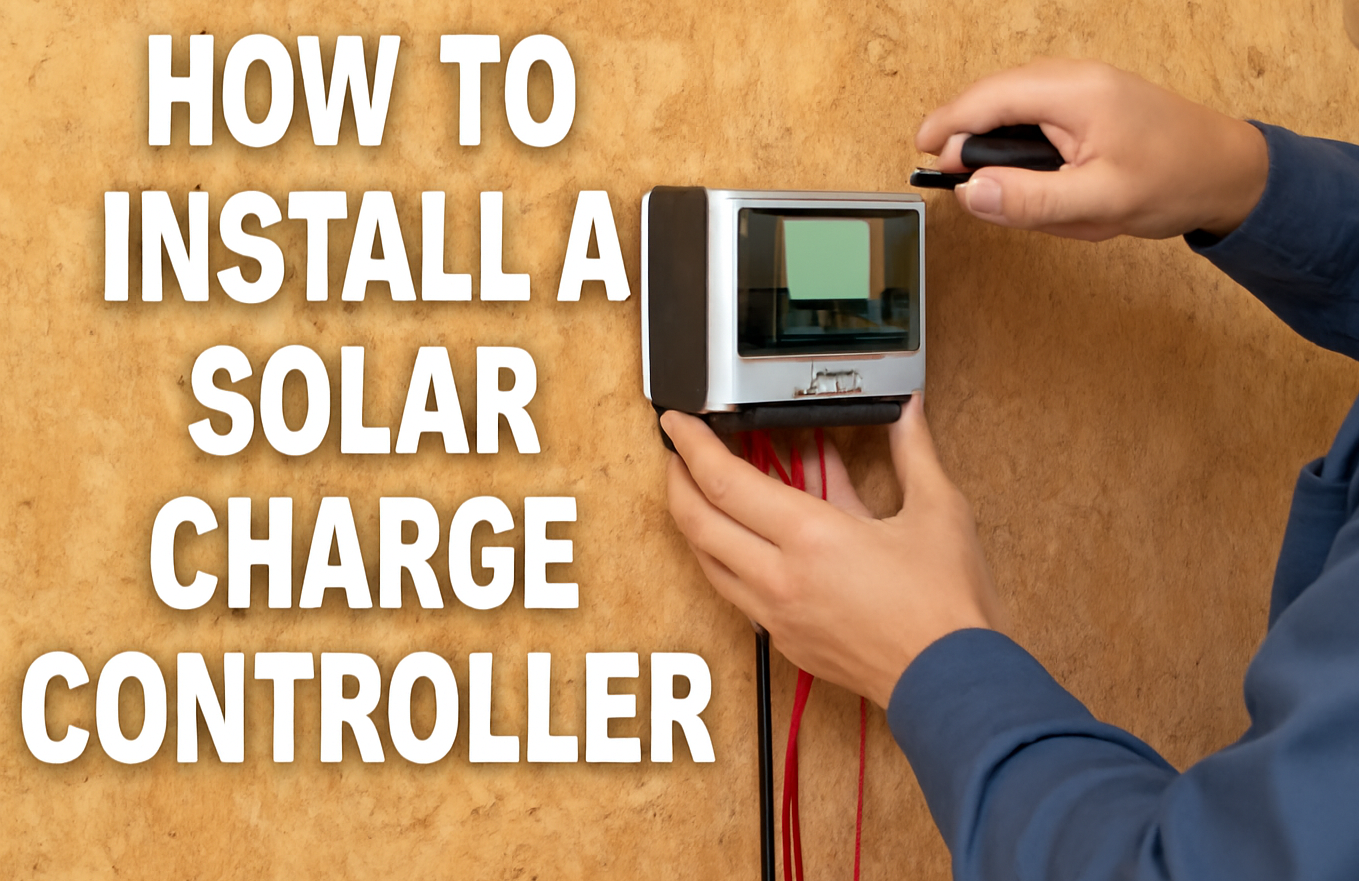
A solar charge controller is basically a smart device that manages the transfer of electricity from solar panels to your batteries. It makes sure that batteries get the right amount of energy, as too much energy can damage them and too little can leave them uncharged. So by balancing the amount of energy, it ensures that your batteries can last longer and work greatly. Without a charge controller, your batteries could get ruined, or your solar panel system might stop working properly. Think of it as the traffic cop of your solar system, directing the energy safely. It’s a must-have part of any solar setup.

Types of Solar Charge Controllers

There are two main types of solar charge controllers:

  • PWM (Pulse Width Modulation): They are budget-friendly and work best for smaller systems.
  • MPPT (Maximum Power Point Tracking): They are more efficient, but their cost is high.

Things You’ll Need

Before you start, gather the following things:

  • Solar charge controller
  • Battery bank
  • Solar panels
  • Wires (with appropriate thickness)
  • Multimeter (for checking voltages)

Steps to Install Your Solar Charge Controller

Step 1: Turn Off the System

When you start working, you should make sure that everything is turned off. Firstly, disconnect the solar panels and then the battery. By this safety method, you will be safe from electric shocks or short circuits. Always double-check that no power is flowing before you begin.

Step 2: Mount the Charge Controller

Pick a safe, dry place close to the batteries to mount the charge controller. The charge controller should be placed in a place where it can be easily accessible so you can easily check its display or indicator lights. Secure it to the wall by using screws and brackets with a little space in it to allow some air to flow so it can be prevented from getting too hot. As well, it should not be exposed to sunlight, rain, or moisture so it can function properly.

Step 3: Connect the Battery Bank to the Controller

  • Find the battery terminal on your charge controller; usually they are labelled with a battery symbol. Then connect the positive wire of the battery to the positive end of the controller.
  • Now, connect the negative (-) wire of the battery to the negative end on the controller.
  • You should ensure that wires are thick enough and in good condition. Secure the screws tightly to make the strong connections.
  • Finally, double-check that you haven’t mixed up the positive and negative wires.

Step 4: Connect the Solar Panels to the Controller

  • First, connect the positive wire of the panels to the positive end of the controller. 
  • Now, connect the negative wire of the panels to the matching negative ends.
  • If you have more than one panel, you should connect them in series to generate high voltage. For more current, they should be connected in a parallel way; this totally depends on the system demands.
  • Always use the right connectors and fuses to keep things safe.
  • And don’t forget that your panels should be directly exposed to sunlight so they can work efficiently.

Step 4: Connect the Load 

  • If you want to power things like lights or a small fan directly from the charge controller, use the load terminals.
  • Connect the positive (+) wire from your device to the positive load terminal.
  • Then connect the negative (–) wire to the negative load terminal.
  • This step is optional, many people connect devices directly to the battery or use an inverter instead.
  • Only use this option if your charge controller supports load output.
  • Make sure the connected devices don’t use more power than the controller can handle.

Step 5: Check the Connections

  • Once everything is connected, it’s time to test the setup.
  • Use a multimeter to check the voltage at both the battery terminals and solar input terminals.
  • This helps make sure the wiring is correct and power is flowing properly.
  • Look for correct voltage levels based on your battery and panel specs.
  • Double-check that all wires are tight and nothing is loose.
  • If anything looks off, turn off the system and fix it before continuing.

Step 6: Turn On the System

  • Start powering up the system step by step using your circuit breakers or switches.
  • First, turn on the battery breaker or switch.
  • Next, turn on the solar panel (PV module) breaker.
  • Finally, turn on the load breaker if you connected any devices to the controller.
  • This order protects the controller and ensures a smooth startup.
  • Watch for indicator lights or a display screen to come on.

Step 7: Set Up the Solar Charge Controller

  • Once it’s on, check the LED lights or screen to confirm the system is working.
  • Use the buttons or app (if available) to set the correct battery type—like lead-acid or lithium.
  • Adjust the charging settings to match your battery’s needs.
  • Some controllers let you set timers or different modes, check your manual for options.
  • Make sure the battery is charging and energy is flowing correctly.
  • Keep an eye on the controller for the next few hours to make sure everything stays stable.

Step 8: Monitor and Maintain the System

Now that your solar charge control is properly set up and running, it’s important to monitor it. As well as maintain the system so everything works accordingly.

  • Check the controller display regularly for system status.
  • Monitor battery voltage to ensure it’s within a safe range.
  • Observe solar input during daylight to confirm panel performance.
  • Watch for any error messages or warning lights.
  • Keep the controller area clean and well-ventilated.
  • Inspect wires and connections for any damage or looseness.
  • Keep a simple log of system performance and any issues.

Also read how to install solar panels.

Final Tips for a Successful Solar Charge Controller Setup


It’s a good idea to check your solar system regularly, either once a day or at least a few times a week. This helps you catch any small issues before they turn into bigger problems. Start by looking at the charge controller to see if there are any warning lights or error messages. These messages can tell you if something isn’t working right. Also, check the battery voltage to make sure it’s not too low or too high. Finally, take a look at how much power your solar panels are producing during the day to be sure they’re working well. Regular checks like these help keep your system running smoothly and make your equipment last longer.

Contact us for all of your solar panels installation services.

Conclusion

Setting up a solar charge controller is a really important part of building your solar power system. It helps your batteries charge safely without getting damaged and makes them last longer. If you follow the steps properly and keep an eye on how things are working, your system will stay in good shape. Just remember to check on it regularly and do a little maintenance now and then, this will keep everything running smoothly for a long time.

FAQs

  1. Can a solar charger be used without a connecting load?

Yes, you can! If you only want to charge your battery without using devices directly from the controller, you don’t need to connect a load.

  1. How to check if my system is working properly or not?

Check the indicator lights or display on the charge controller. If everything is working correctly, the system will show normal voltage levels and charging status.

  1. When and how should I monitor the system daily?

It is a smart way to check your solar panel system every day or once a week. You should look for any error, monitor the battery voltage, and check if the solar panels are generating the power as they should be.

  1. Which kind of battery type can I use with my solar charger?

You should have to check which battery is compatible with your charge controller (e.g., lead-acid, lithium, etc.). All charge controllers don’t work with all battery types.

  1. What should I do if anything seems wrong with the solar charger?

If you see any error in the system. First, check the manual to identify the problem, try to fix loose wires, and reset the system, and if there is still an issue, contact customer support.

  1. How long does a solar charge controller last?

A good quality controller can last 5 to 10 years or more, especially if it’s installed properly and kept in a clean, dry place.