Introduction
Pakistan is undergoing a fast solar energy transformation—way to relentless electricity outages, hovering energy prices, and plentiful sunlight. Choosing the right solar panel isn’t only a technical selection, it’s a long-term investment for reliability, savings, and sustainability.
There is numerous modern solar panel technology to be had in Pakistan. Each comes with its particular traits, benefits, and best programs. Let’s explore them in parts:
1. Monocrystalline Solar Panels
It is made from single-crystal high-purity silicon, monocrystalline panels are identified by their uniform darkish seams and trimmed-off corners.
Advantages
High performance: Typically 20–22%, allowing most strength output from compact rooftops, critical in city areas with constrained space.
Longevity: Generally 25 years of reliable performance with slower degradation prices.
Better performance in a lot of much less-than-ideal light:Slightly more efficient beneath partial color or lower daylight.
Ideal For:
- Residential rooftops and business systems in which the space is scarce.
- Areas with heavy use of the tail-end of sunlight (e.g., winter or monsoon seasons).
- Owners are searching out prolonged-term energy savings in spite of higher earlier costs.
2. Polycrystalline Solar Panels
These are crafted from multiple silicon crystals melted collectively, developing a speckled, blue mosaic look.
Advantages
- Cost-effective:Lower production price translates to a decreased charge tag.
- Respectable efficiency: Usually 15–18%, appropriate for many family and industrial wishes.
- Sturdy and dependable: Built to last 20–25 years beneath the right situations.
Ideal For:
- Larger rooftops or ground-hooked-up structures.
- Budget-aware customers who decide upon a stability of performance and affordability.
- Rural or suburban deployments wherein space isn’t a constraint.
3. Thin-Film Solar Panels
Thin-film panels use a layer of semiconductor material (which includes amorphous silicon, CdTe, and CIGS) applied over glass, steel, or flexible substrates.
Advantages
- Lightweight and flexible: Perfect for non-traditional surfaces like curved roofs or facades.
- Lower cost consistent with unit: Can be lower-priced in keeping with rectangular foot in a few programs.
- Better overall performance in low light: greater spectral absorption and low light responsiveness.
Drawbacks
- Lower performance: Typically 10–12%, though advanced types can reach higher percentages.
- Shorter lifespan: Generally 10–20 years with better degradation quotes.
When to Consider
- Aesthetic integrations, or building-included photovoltaics (BIPV).
- Agricultural or business sites with masses of space
- Temporary or mobile installations
4. PERC (Passivated Emitter and Rear Cell) Panels
PERC isn’t a standalone panel type, it’s an enhancement applied to crystalline (mono or poly) panels. It adds a special passivation layer at the rear to improve light capture.
Advantages
- Up to 6–7% efficiency boost without significant cost increase.
- Improved performance under heat—great for Pakistan’s climate.
- Widely available in many modern solar panels sold in the country.
Why It Matters
- Adds more value for every unit of installed panel capacity.
- Especially useful in excessive-temperature zones in which performance generally suffers.
5. Bifacial Solar Panels
Bifacial panels seize light from both the back and front, using reflected daylight (albedo) to reinforce output.
Advantages
- Higher yield: Can generate 10–20% greater power, relying on ground surface and installation layout.
- Less affected by dust: Dual sides help mitigate output loss from soiling.
Use Cases
- Ground-mounted solar farms, carports, or green buildings.
- Locations with reflective surfaces (e.g., white rooftops, concrete yards).
- Long-term projects where ROI is enhanced by extra energy production.
6. Heterojunction (HJT) and Other Emerging Technologies
While not yet mainstream in Pakistan, technology like heterojunction (HJT) panels combines crystalline and thin-film layers to offer excellent performance and overall thermal performance. As these mature, they may turn out to be possible for excessive give-up or specialized solar installations.
7. Building-Integrated Photovoltaics (BIPV) & Floating Systems
BIPV embeds solar without delay into constructing materials—which includes roof tiles, facades, or home windows. These systems leverage thin-film or crystalline tech elegantly for a simultaneously purposeful and aesthetic structure.
Floating PV structures set up solar panels over water or our bodies. The water cools the modules, improving performance and decreasing land-use conflicts.
While still nascent in Pakistan, these technologies offer exciting opportunities for future improvements.
At a Glance: Quick Comparison
| Panel Type | Efficiency | Cost | Lifespan | Strengths |
| Monocrystalline | High (20–22%) | High | 25+ years | Best efficiency and long-term ROI |
| Polycrystalline | Moderate (15–18%) | Moderate | 20–25 years | Affordable, solid balance |
| Thin-Film | Low (10–12%) | Lower | 10–20 years | Flexible, lightweight, space-friendly |
| PERC (on mono/poly) | +5–7% boost | Slight increase | Similar | Better heat performance, higher yield |
| Bifacial | Higher overall | Higher | Depends | Dual-side capture, farm/industrial fit |
| HJT / Emerging | Very high potential | Higher | TBD | Premium efficiency, advanced tech |
| BIPV / Floating | Varies | Niche | Varies | Aesthetic, space-saving, innovative |
Choosing the Right Panel for Your Needs
Space Availability
- If you intend to install panels on a rooftop, monocrystalline or polycrystalline panels are the excellent choice.
- For huge open land or floor-setup structures, polycrystalline or bifacial panels make more sense.
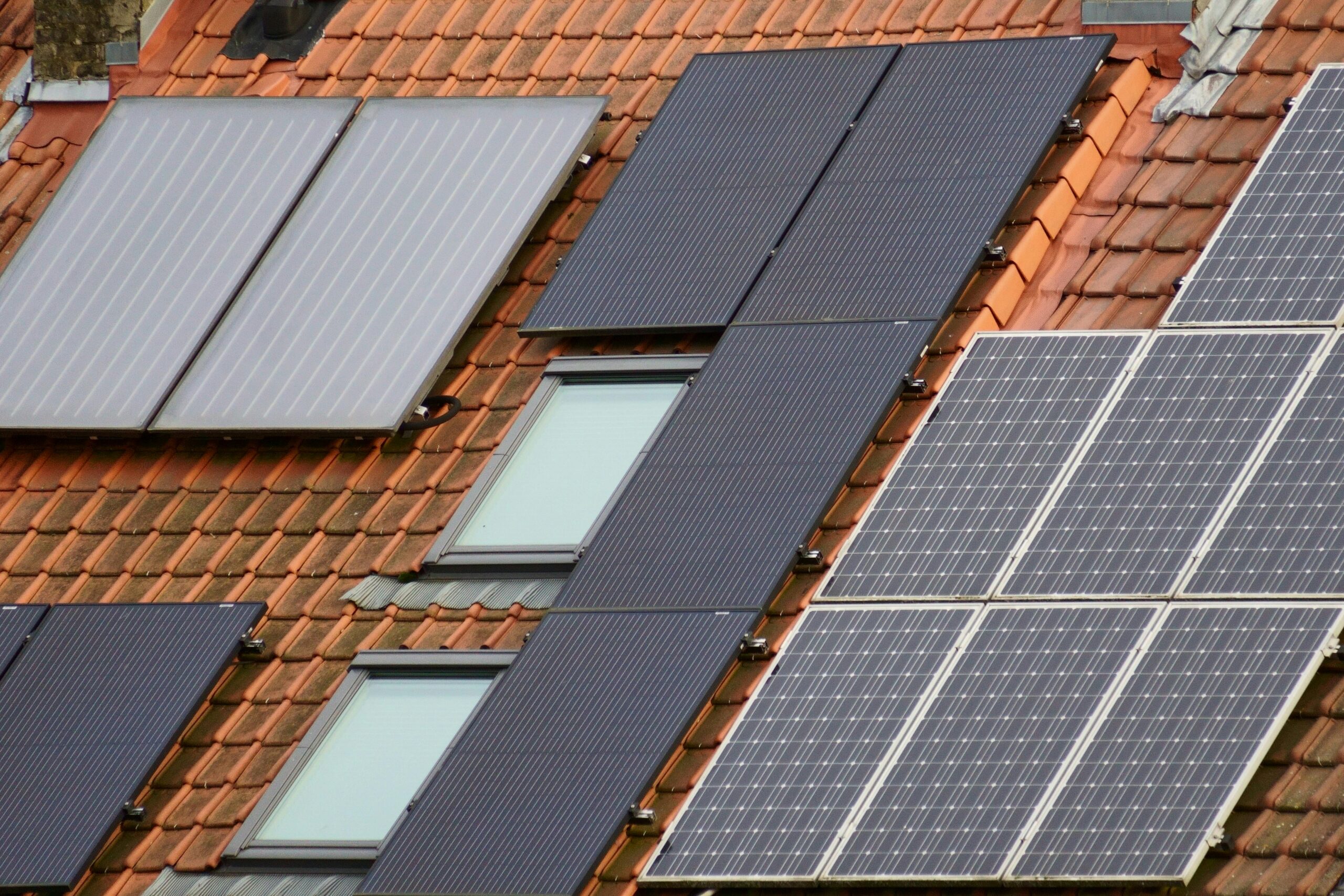
- If you have unique or non-traditional surfaces, thin-film panels or BIPV are extra suitable.
Budget Constraints
- For people with a good budget range, polycrystalline or general monocrystalline panels are the right options.
- If you prioritize long-term savings and efficiency, monocrystalline panels with PERC generation or bifacial panels are ideal.
Climate Considerations
- In high-warmness regions, PERC or monocrystalline panels carry out well, as they manage higher temperature variations.
- For dust-inclined or reflective environments, bifacial panels can offer greater consistent power manufacturing.
Aesthetic & Structural Needs
If you prefer a sleek and modern look, thin-film BIPV, solar shingles, or even floating solar setups can be considered.
Energy Yield Goals
- If your goal is to achieve maximum power output in a limited space, monocrystalline with PERC or bifacial panels are the best choice.
- For large-scale projects where cost per watt is the main concern, polycrystalline or thin-film panels are more suitable.
Conclusion
Pakistan’s solar revolution is accelerating and the technology landscape is wealthy. From excessive-efficiency monocrystalline panels to space- and budget-smart polycrystalline options, and from flexible thin-film artistry to bifacial brilliance, there’s something for every need. Enhancements like PERC and future-equipped options like HJT, BIPV, and floating installations make solar even extra compelling.
By knowing the strengths and limitations of every type, Dawam Solars can guide users closer to structures that maximize performance, affordability, and sustainability. Whether it’s a rooftop in Karachi, a farm in Punjab, or an industrial shed in Sindh selecting the right panel way unlocks years of dependable, easy electricity.
FAQs
1. Which sort of panel suits residential rooftops exceptionally well in Pakistan?
Monocrystalline panels equipped with PERC technology are typically the top-class choice, they offer advanced efficiency, deal with excessive temperatures better, and yield financial savings over time, despite higher initial cost.
2. Are polycrystalline panels still viable?
Absolutely! They offer excellent prices for large installations and are a practical choice, if upfront budgeting is a major concern.
3. What benefits do bifacial panels offer?
They seize daylight from both aspects, boosting total energy production by using up to 20%, specifically in reflective or open ground setups.
4. Is thin-film technology useful here?
Yes, in specialized cases. It’s flexible, lightweight, and great for aesthetic or unconventional installations but less efficient and shorter-lived than crystalline options.
5. What’s special about PERC panels?
PERC adds a passivation layer at the back of solar cells to reduce energy loss, improving efficiency—particularly in hot climates like Pakistan.
6. Are newer technologies like HJT and BIPV available yet?
These are emerging and may not dominate the market now. But they’re promising for future innovations—especially where efficiency and architectural integration matter.
7. Which technology gives the best return on investment?
It depends on your situation. Monocrystalline with PERC suits rooftop installations with limited space. Bifacial is best for maximizing output in open areas. Poly is a cost-effective baseline for larger budgets.