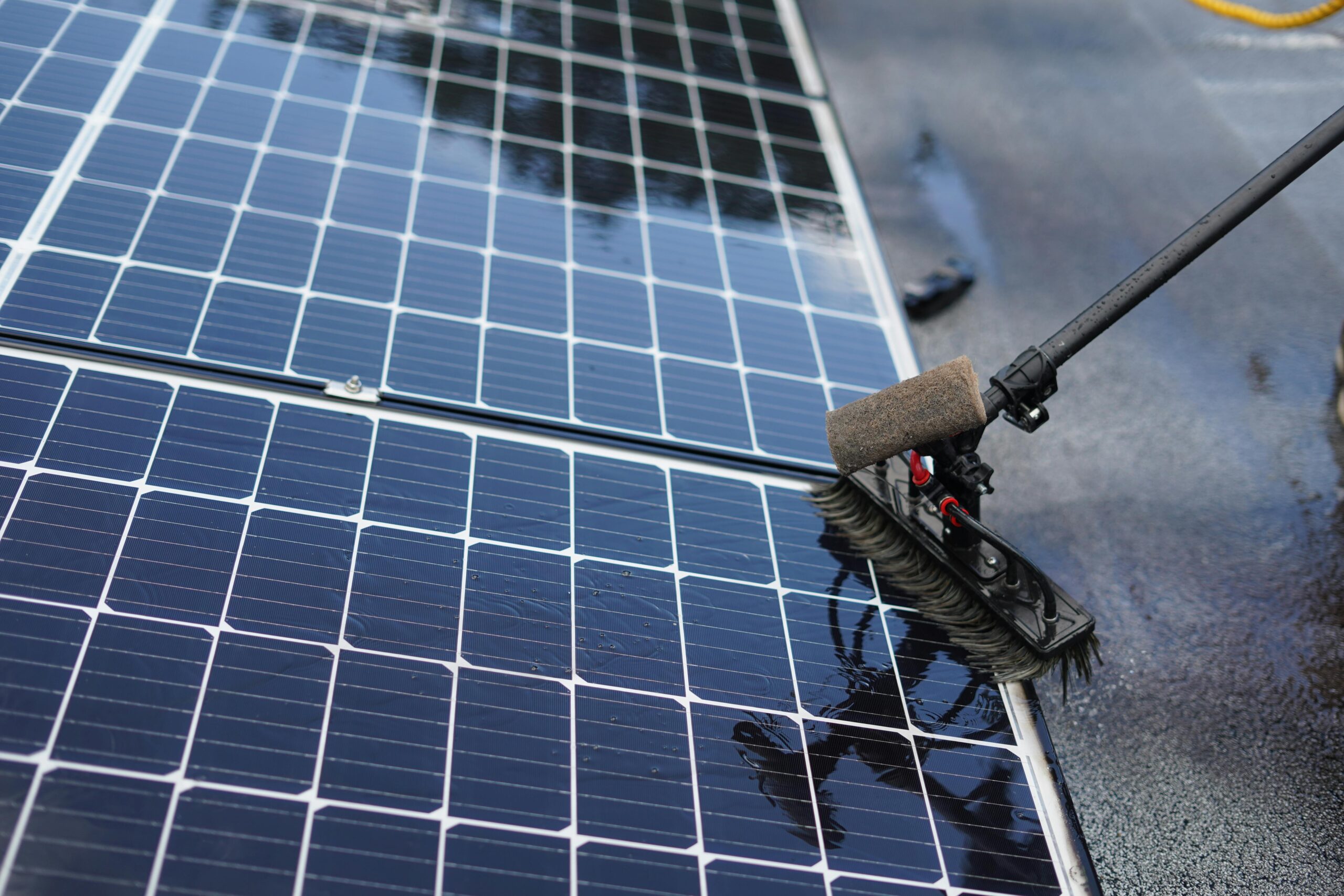
Switching to solar isn’t just a “green” choice anymore, it’s a smart financial move for Pakistani households facing rising electricity charges and load-shedding. With high-quality sunlight throughout most of the country, a well-designed home solar panel can reduce bills by 70–100%, upload backup energy for outages, and supply payback in a few years. The key is selecting the right system type, size, and components and ensuring it’s installed up and guaranteed by means of an expert team.

In this guide, Dawam Solars walks you through what actually matters: on-grid vs hybrid vs off-grid, how to size a system and which components to prefer.

1) Solar Panel Types

On-Grid (Grid-Tied)

  • What it is: Panels + string inverter, connected to the grid. No batteries.
  • Why choose it:Lowest upfront cost, highest efficiency. Great if you want to slash bills through net metering and don’t need backup during outages.
  • Who it suits: Areas with reliable grid power and households focused purely on bill reduction.

Hybrid (Grid + Battery Ready)

  • What it is: Panels + hybrid inverter + battery (now or later).
  • Why choose it:Gives you both bill savings and backup power. If load-shedding or voltage dips are frequent, hybrid is the sweet spot. You can start without batteries and add them later.
  • Who it suits: Most urban homes in Pakistan that want resilience and savings.

Off-Grid (Standalone)

  • What it is: Panels + off-grid inverter + battery bank, no grid connection.
  • Why choose it: For remote sites with no or very poor grid.
  • Who it suits: Farmhouses, rural homes, and cabins. Highest battery dependence and typically the highest upfront cost per usable kWh.

2) Quick Sizing Guide: How Many kW Do You Need?

In Pakistan, each 1 kW of solar energy generates about 4–5 units (kWh) in a common day, depending on the town and season. To size your system, divide your month-to-month power units with the aid of 30 to daily usage—for instance, 900 units consistent with a month equals 30 units per day. If you want 80% coverage, that’s approximately 24 units per day; because of this, you’ll need a kind of 6 kW system. Small flats commonly want 3–5 kW, medium houses 6–8 kW, and large homes 10–15 kW. It’s also wise to plan beforehand by choosing a barely larger inverter and leaving roof space if you expect adding extra home appliances or an EV charger later.

3) Components That Make a Difference

a) Solar Panels

  • Cell Type: Mono PERC, TOPCon, or HJT. For houses, present-day Mono PERC or TOPCon panels are best valued with high efficiency.
  • Wattage: 550–600W panels reduce the number of modules and mounting hardware.
  • Durability: Look for strong mechanical load ratings and a proven track report for Pakistan’s heat and dirt.
  • Warranty: Typically 12 years for product and 25 years for overall performance; prefer manufacturers and companies who honor local help.

B) Inverters

  • String Inverters (On-Grid): High performance, simple, ideal for clear, coloration-loose roofs.
  • Hybrid Inverters: Allow battery integration now or later; perfect for load-loss mitigation.
  • MPPT Inputs: Multiple MPPTs deliver layout flexibility for roofs with exceptional orientations.
  • Monitoring: Wi-Fi/4G app tracking helps you track signal era, intake, and battery status.

C) Batteries (for Hybrid/Off-Grid)

  • Lithium Iron Phosphate (LiFePO₄) is the today’s well-known choice for home storage in Pakistan: safe, lengthy cycle lifestyles, and higher performance in heat.
  • Usable Capacity: Aim to cover your critical loads during standard outages (e.g., fans, lighting, Wi-Fi, one AC for some hours).
  • Scalability: Modular battery packs allow you to begin small and expand later.

d) Balance of System (BoS)

  • Mounting & Structure: Hot-dip galvanized structures with proper tilt (often 20–30° depending on location) and wind load design.
  • Wiring & Protection: UV-rated DC cables, DC isolators, surge protection, earthing, and appropriate breakers.
  • Aesthetics: Clean conduit runs, tidy combiner boxes, and thoughtful inverter placement matter in a modern home.

4) Net Metering & Backup Planning

  • Net Metering: Lets you export surplus daytime solar to the grid and offset it against your consumption. This maximizes savings for on-grid/hybrid homes. Approval requires compliant equipment and paperwork; Dawam Solars handles sizing, schematics, and application support.
  • Backup Loads: Not everything needs to run on battery. Prioritize essentials—fans, lights, Wi-Fi, fridge, and one bedroom AC if your battery allows. A well-tuned hybrid system can keep your evenings comfortable without overspending on storage.
  • Voltage/Phase Considerations: Homes with 3-phase meters or high peak loads often benefit from hybrid inverters with higher power ratings and smart load management.

5) Roof, Shade & Design Essentials

  • Space: A 5 kW system with 550–600 W panels typically needs ~250–300 sq. ft. Clear, shade-free roof sections perform best.
  • Orientation & Tilt: South-facing arrays with an appropriate tilt angle maximize output. East/west split can smooth generation across the day when roof layout demands it.
  • Shading: Even small shadows can reduce output. Hybrid string design, multiple MPPTs, and smart stringing mitigate shade losses.

6) What Affects Your Payback

  • Your Tariff & Usage Pattern: Higher grid tariffs and more daytime usage improve ROI.
  • System Type: On-grid will pay back fastest; hybrid adds resilience and luxury with slightly longer payback because of batteries.
  • Quality & Maintenance: Tier-one panels, high-efficiency inverters, and clean wiring reduce lifetime losses.
  • Operations & Cleaning: Dust is real—panel cleaning and annual inspections keep performance on track.

7) Why Choose Dawam Solars

  • Engineered for Pakistan: Designs that account for heat, dust, wind load, and local grid behavior.
  • Honest Sizing: We size to your bills and roof, not to a sales target.
  • Future-Ready: Hybrid alternatives that allow you to upload batteries later.
  • End-to-End: Site survey, design, net metering paperwork, setup, commissioning, tracking setup, and after-sales support.
  • Clean Workmanship: Neat structure, tidy cabling, categorized protection, so your solar appears as exact as it performs.

8) How to Get Started

  1. Share Your Bills & Goals
    • Last 12 months’ electricity bills and whether you want backup now or later.
  2. Free Site Assessment
    • We evaluate your roof, shade, and electrical panel to finalize the design and inverter size.
  3. Proposal & Installation
    • You receive a clear proposal (equipment list, performance estimate, warranty terms). Once approved, we handle installation and net metering support.

Ready to explore your custom solar plan? Contact Dawam Solars for a tailored design and quote based on your home and budget.

Conclusion

Choosing the exceptional solar panel system for your home in Pakistan depends on your strong needs, budget, and lifestyle. With growing electricity charges and common outages, solar has come to be a practical solution for both financial savings and comfort. On-grid structures offer the fastest payback, while hybrid systems balance stability and cost-effectiveness with dependable backup. By selecting the proper size and excellent components, owners can anticipate 25 years of smooth and dependable electricity. Net metering, in addition, complements savings through permitting you to export surplus energy to the grid. With professional installation and ongoing aid, Dawam Solars ensures each home receives a system that is future-ready, efficient, green, and tailored to its specific necessities.

FAQs: Best Solar Systems for Homes in Pakistan

Q1. How does net metering help my bill?

Surplus solar exported to the grid offsets your consumption, increasing savings. It’s especially powerful for on-grid/hybrid systems with consistent daytime generation.

Q2. On-grid or hybrid—which saves more?

On-grid usually gives the fastest payback because there’s no battery cost. Hybrid gives savings plus backup, which most families value due to outages. If resilience matters, hybrid wins overall comfort.

Q3. Can I start on-grid and add batteries later?

If you pick a hybrid-ready inverter from day one, yes. Many homeowners install panels and a hybrid inverter now, then add LiFePO₄ batteries when the budget allows.

Q4. How much roof space will I need?

Roughly 50–60 sq. ft. per kW with today’s high-wattage panels. A 6 kW system often needs ~300–360 sq. ft., depending on layout and tilt.

Q5. Can solar handle sensitive electronics?

Yes. Quality inverters provide stable, clean power. Proper surge protection and earthing are part of Dawam Solar’s standard design.

For anyone wishing to capture solar energy without requiring heavy, inflexible installations. So flexible solar panels are revolutionizing the market. Flexible panels provide the ideal balance of efficiency and versatility, whether you’re equipping a boat or RV or just want a portable solar solution for your house or place of travel.

Here is a step-by-step guide for the installation of your flexible solar panel.

What You Will Need?

  • Flexible solar panels (with cables)
  • Solar charge controller
  • Deep-cycle battery
  • Inverter (for AC use)
  • Adhesive or mounting hardware
  • Drill/screwdriver (if needed)
  • Proper gauge wiring
  • Multimeter
  • Safety gear (gloves, goggles)

Step 1: Plan Your Setup

Start by assessing your energy needs:

  • How much power do your devices require?
  • How much sunlight does your location receive?
  • Where will you place the panels?

Choose a surface that gets consistent sunlight and is large enough to hold your panels. Keep in mind shade and tilt angles for optimal performance.

Step 2: Position the Panels

  • Clean the surface where the panels will go. Then, lay the flexible panels flat to test the fit.
  • If your surface curves (like an RV roof), flexible panels will naturally conform to it; just make sure they don’t have sharp bends.

Step 3: Mount the Panels

You can either adhere or screw down the panels.

  • Adhesive method: Use a high-strength, weatherproof adhesive or double-sided tape. Press down evenly for secure placement.
  • Hardware method: If the panel has eyelets, screw it into place using corrosion-resistant screws and washers. Make sure the cable outlets are easily accessible.

Step 4: Wire the System

  1. Connect the solar panel cables to the solar charge controller, which prevents overcharging your battery.
  2. From the charge controller:
  • Connect to your battery (observing polarity).
  • If needed, connect an inverter to convert DC to AC.
  1. Double-check all connections are secure and correctly polarized.

Step 5: Test the System

Use a multimeter to check the voltage from the panels by connecting the probes to the panel’s wires. Then, check the battery by placing the probes on the battery terminals. If the voltage is increasing, your system is charging properly. This confirms your flexible solar setup is working and generating clean energy!

Conclusion

Flexible solar panels are a smart and handy way to use solar energy, especially if you need something portable and easy to set up. They’re lightweight, strong, and simple to install; that is why they are perfect for your RV, boat, or even your home. With proper planning, wiring, and mounting, you can enjoy reliable solar power anywhere you need it. They can work longer and more efficiently if regularly maintained.

FAQs 

  1. Can I install flexible solar panels myself?

Ans: Yes! Flexible solar panels are designed for easy installation. With basic tools and safety gear, most people can set them up on RVs, boats, or rooftops without professional help.

  1. How do I clean my flexible solar panels?

Ans: They can be cleaned easily. Simply use a soft cloth or sponge with water to clean them. Avoid harsh chemicals or abrasive materials to prevent damage.

  1. Can flexible solar panels handle rain or bad weather?

Ans: Yes, many flexible solar panels are weather-resistant and designed to perform in various conditions, including rain. Always check the manufacturer’s specs for exact ratings.

  1. What type of battery should I use with flexible solar panels?

Ans: Deep-cycle batteries are a great one. They can be discharged and recharged many times without affecting their lifespan.

  1. Do flexible solar panels require a lot of maintenance?

Ans: Not much! Regularly clean the panels and check the wiring and connections to ensure everything is working properly. Keep them free from shade to optimize performance.

  1. Can I add more panels to my flexible solar setup later?

Ans: Absolutely! Flexible solar systems are modular, so you can add more panels or batteries as your energy needs increase. Just make sure to properly size your charge controller and inverter.

Pakistan is in the middle of an energy transition. Rising energy costs, common load-shedding, and unreliable grid supply are pushing households, small businesses, and industries closer to solar energy. Among the brand-new technology of solar modules making waves in the market, the 540-watt solar panel stands out.

Unlike older 250W or 400W panels, these high-capacity modules are designed for performance, sturdiness, and cost-effectiveness. They’re quickly turning to the go-to choice for residential rooftops, industrial projects, or even large-scale commercial setups.

But what makes them special? How much do they cost in Pakistan today? And most importantly, are they really worth it?

This blog explores everything you need to know about 540W solar panels in Pakistan, including their price range, features, pros and cons, and suitability for different users.

Current Price Range of 540 Watt Solar Panels in Pakistan

As of 2025, 540W solar panels are to be had in a number of brands. Their charge relies upon technology, performance, and warranty insurance.

  • Budget range: PKR 15,000–16,000
  • Mid-range: PKR 20,000 – 22,000 (most popular category)
  • High efficiency: PKR 25,000–32,000.
  • Premium models: Up to PKR 80,000

This variation happens due to the fact a few panels use superior technologies like Mono-PERC, bifacial, or half-cellular, at the same time as others persist with more basic designs. Additionally, neighborhood availability, import duties, and market demands can impact final pricing.

Why the Price Variation?

There are several reasons why 540W solar panel prices vary so much in Pakistan:

  • Technology used: Panels with bifacial or Mono-PERC technology are more expensive because they generate higher efficiency and last longer.
  • Warranty & durability: Panels that come with a 25-12 month overall performance guarantee are certainly priced better.
  • Brand recognition: Established Tier-1 brands commonly are valued more than locally manufactured or lesser-recognized manufacturers.
  • Exchange rates & import taxes: Since most panels are imported, fluctuations within the dollar rate and customs obligations directly affect their retail price.
  • Market call for: Increased demand throughout top summer months frequently pushes charges upward.

Why Choose a 540 Watt Solar Panel?

1. More Power in Less Space

For houses and workplaces with constrained rooftop areas, 540W panels make an ideal fit. Instead of masking the whole roof with small panels, you can acquire the same capacity with fewer, more powerful modules.

2. Lower Balance of System (BOS) Costs

Fewer panels imply reduced cost for mounting structures, wiring, exertions, and inverters. This lowers the overall system installation cost and shortens payback intervals.

3. High Efficiency

Most 540W panels deliver performance levels between 20% and 21%; that’s notably higher than older 250W or 300W panels. This manner generates greater energy from the same quantity of sunlight.

4. Durability in Harsh Weather

Pakistan’s hot summers, dusty environments, and heavy rains can harm low-cost panels. Reputable 540W modules are built with more potent frames, tempered glass, and better dirt resistance, ensuring long-lasting performance.

5. Better ROI

Thanks to their efficiency and long warranties, 540W solar panels often pay for themselves within 3–5 years, after which you enjoy nearly free electricity for two decades or more.

Ideal Users of 540W Solar Panels in Pakistan

For Homeowners

If you need to reduce electricity bills and maximize output from a small rooftop, those panels are best. For example, a 5 kW solar system would only want around 9–10 panels of 540 W, compared to 14–16 smaller panels.

For Small Businesses

Retail stores, workplaces, and small manufacturing units benefit from high-capacity panels due to the fact they lessen installation complexity and improve reliability.

For Large-Scale Projects

Factories, warehouses, and agricultural setups with excessive energy demand can scale up systems without difficulty with fewer panels, saving both land space and installation costs.

For Eco-Conscious Investors

If sustainability and long-term financial savings count, 540W panels provide the top-class blend of efficiency and longevity.
\

How Many 540W Panels Do You Need?

Here’s a simple estimate based on different system sizes:

  • 5kW system → ~9–10 panels
  • 10kW system → ~19 panels
  • 20kW system → ~37 panels
  • 1.5-ton AC → ~6–8 panels (during peak sunlight hours)

These numbers vary depending on inverter type, load requirements, and sunlight availability.

Pros and Cons of of 540W Solar Panels

Pros of 540W Solar Panels

  • A 540W solar panel generates more electricity per panel, making it highly efficient as compared to smaller modules.
  • These panels keep rooftop space, allowing you to gain better potential with fewer panels.
  • They assist in reducing wiring, mounting, and installation prices, as fewer panels are wished for the equal output.
  • The panels are appropriate for both residential and commercial use, making them flexible.
  • Many 540W solar panels come with long warranties of up to 25 years, ensuring peace of mind for the customer.
  • They are long-lasting and climate-resistant, designed to withstand Pakistan’s heat, dirt, and heavy rainfall.

Cons of 540W Solar Panels

  • A 540W solar panel comes with a higher upfront cost in comparison to smaller panels, which may not be suited for every price range.
  • They require well-suited inverters and mounting systems that could increase systems costs if upgrades are needed.
  • The market carries a threat of counterfeit or low-grade imports, making it essential to buy from relied-on providers.
  • For very small setups, which include powering some lighting fixtures or fans, a 540W panel can be useless whilst a 400W panel could suffice.

Are 540-Watt Solar Panels Worth the Investment?

Yes, for most Pakistani households and businesses, 540W panels are absolutely worth it. The slightly higher upfront cost is balanced by:

  • Faster system payback
  • Better energy production per square foot
  • Lower long-term maintenance
  • More reliable warranties

Over a span of 20–25 years, these panels can save users several lakh rupees in electricity bills while offering energy independence from the unstable grid.

Long-Term Cost Savings

Let’s consider a real-world example:

  • A household installs a 5kW system using 540W panels.
  • The cost may be slightly higher upfront, but monthly electricity bill savings of PKR 20,000–25,000 are possible.
  • Over 5 years, the system can completely pay for itself.
  • For the next 15–20 years, those savings become pure profit.

This is why more homeowners and businesses are switching to high-capacity panels rather than older, smaller options.

Conclusion

The 540W solar panel is one of the nice investments you may make in 2025 if you’re serious about cutting electricity expenses and securing dependable electricity. While the initial cost may appear better than smaller panels, the long-term benefits in terms of performance, decreased setup costs, and faster return of investment make it a better choice.

Whether you’re a homeowner seeking to power your own home, a business owner looking to stabilize electricity prices, or an investor seeking out dependable green technology, 540W panels offer unmatched value in Pakistan’s solar market today.

For all of us thinking about solar in Pakistan, the solution is clear: 540W panels are really worth each rupee.

FAQs

1. Do these panels work well in Pakistan’s climate?

Yes. They are designed to handle high heat, dust, and occasional heavy rainfall.

2. Are 540W panels more efficient than smaller ones?

Yes, they usually offer 20–21% efficiency, which is higher than standard 250W–400W modules.

3. What is the biggest advantage of these panels?

They offer more power in less space, making them ideal for rooftops and commercial projects.

4. Are cheap panels reliable?

Not always. While cheaper options are available, they may lack durability, proper warranties, or efficiency. Trusted brands are a safer investment.

5. Do I need a special inverter for 540W panels?

Not necessarily, but you should ensure your inverter is compatible with the higher wattage and voltage specifications.

6. What about warranties? 

Most come with a 12–15-year product warranty and a 25-year performance warranty, ensuring long-term peace of mind.

7. Are they future-proof?

Yes. With efficiency above 20% and 25-year warranties, they’re designed to serve well into the future.

Solar panels are an amazing way to secure your money and keep the environment clean. As in Pakistan, electricity bills are increasing rapidly, and the environment is becoming dangerous and polluted. So solar panels are amazing as they turn sunlight into electricity. It is good for your wallet and better for the planet. If you are planning to install solar panels, maybe, in the beginning, it may seem confusing. But here we are to guide you properly about the process of solar panel installation. In this simple guide, we’ll explain everything you need to know. Let’s start your journey to clean and affordable energy!

Why Choose Solar Energy?

You should know some reasons why solar panel installation is a great idea before going towards the process.

  1. Save Money: Once you install a solar panel and start using it, your electricity bill will reduce or almost disappear.
  2. Eco-Friendly: Solar power is clean and never runs out. It doesn’t damage the environment like burning gas, oil, or coal does.
  3. Energy Independence: You rely less on the grid. That means fewer blackouts and better peace of mind.
  4. Increase Home Value: A solar-powered home is attractive to buyers. It can raise your property value.
  5. Government Support: The Government of Pakistan encourages solar energy by offering net metering. This system lets you send extra electricity back to the grid. In return, it helps lower your monthly electricity bills even further.

What You Need to Get Started

Before installation of solar panels, you should gather some information:

  • Energy Needs: Check your electricity bills for the past year. How much energy do you use monthly?
  • Roof Condition: Is your roof strong and big enough for panels? It should be in good shape to support the system for at least 20-25 years.
  • Sunlight Exposure: Your roof should get a lot of direct sunlight during the day.
  • Local Regulations: Some areas have rules about installing solar panels. You might need permits.
  • Budget: Solar systems are an investment. But this investment is one-time and can recover soon when your electricity bills reduce to nothing. Check your budget and look after the other financing options if necessary.

How Solar Panels and Inverters Work Together?

Your whole solar panel system works as a team.

  • Solar Panels: When they are exposed to sunlight, capture them and turn them into DC electricity.
  • Inverter: This is the important part of the system. It converts DC into AC, which is required to regulate your home appliances; without this, you can not power your home.
  • Battery: It is an optional component. If you want to store energy for night or for power breakdown, the battery will store energy for you.
  • Meter: It checks how much electricity your system makes and can send extra power back to the main power grid.

Step-by-Step Guide to Installing Solar Panels and Inverters

1. Find a Trusted Solar Installer

You can install a solar system yourself if you know how, but it’s better to hire a professional. Choose a company that is licensed, has good reviews, and offers warranties. It’s also a good idea to get quotes from 2–3 installers to compare prices and services.

2. Site Assessment

Once you decide on a company, they will come to your home to inspect your roof, check your energy requirements, and design a system that suits your needs. They’ll also check if any trees or nearby buildings are shading your roof.

3. System Design

Your installer will design a custom system for you. They’ll pick the number of panels, type of inverter, and layout that gives you the best efficiency.

There are a few types of inverters:

  • String Inverters: Cost-effective and good for roofs without much shading.
  • Microinverters: More expensive but better if parts of your roof are shaded.
  • Power Optimizers: A middle ground between string inverters and microinverters.

Ask your installer which one fits your home best.

4. Permits and Paperwork

Solar installation involves a fair bit of paperwork. But don’t worry, your installer usually handles this part. They’ll apply for local permits and take care of utility company approvals if you’re connecting to the grid

5. Installation Day

Installing a solar system typically takes 1–3 days, depending on the size of your setup.

Here’s what it includes:

  • Mounting racks are installed on the roof.
  • Solar panels are securely attached to the racks.
  • Electrical wiring is set up.
  • The inverter is installed, usually near your main electrical panel or in your garage.
  • Everything is connected and double-checked for safety.

Make sure the installation company shows you how to shut down the system in case of emergency.

6. Inspection and Approval

After installation, your solar company will apply for net metering with your local electricity provider (like KE, LESCO, or MEPCO). A team from the utility company will inspect your system to make sure it is safely installed and meets all technical standards. Once they approve it and issue a NOC, a net meter will be installed, and your solar system will be fully activated.

7. Turn It On!

Once you get the green light, your installer will help you flip the switch. Then you can run on clean, renewable solar power!

Smart Tips to Boost Your Solar Power Results

  • Monitor Your System: Many systems have apps that let you track how much power you’re making and using.
  • Keep Panels Clean: Dust and dirt can lower efficiency. Clean your panels once or twice a year.
  • Trim Nearby Trees: Keep trees trimmed so they don’t shade your panels over time.
  • Stay on Top of Maintenance: Most solar panels are low-maintenance, but have your installer inspect the system every few years.

How Much Does It Cost in Pakistan?

In Pakistan, solar panel and inverter installation cost depends upon the size of the system and quality of equipment that you want to select, but on average:

  • Small systems (3–4 kW): Around PKR 600,000–850,000
  • Medium systems (5–7 kW): Around PKR 1,000,000–1,400,000
  • Large systems (8–10 kW): Around PKR 1,600,000–2,200,000

The government of Pakistan also supports solar energy through net metering. This allows you to sell extra electricity back to the grid and reduce your monthly bills even more.

Avoid These Common Mistakes

  • Do not pick and choose equipment. Panels and inverters that have good quality can last longer and perform well.
  • Before selecting panels and inverters, you must check their warranty. A good solar panel should have a warranty of 25 years and a 10-year warranty on the inverter.
  • You must fix any damage or problems with the roof before solar installation. Otherwise it will become difficult after installation.

Conclusion

Installing solar panels and inverters is a smart way to save money and help the environment. With the right planning, good equipment, and a reliable installer, you can lower your energy bills and become less dependent on the grid. Solar power not only reduces your costs but also helps keep the planet cleaner. Start using solar energy today for a brighter and more affordable future!

FAQs

1. How long does it take to install solar panels and an inverter at home?

Installation typically takes 1 to 3 days, depending on the size and complexity of the system.

2. Can I install solar panels myself, or do I need a professional?

DIY installation is possible if you have technical skills. But it’s highly recommended to hire a licensed professional for safety, efficiency, and warranty purposes.

3. What type of inverter should I choose for my solar system?

The choice of inverter depends on your roof and budget.

  • String inverters are affordable and work well for roofs with minimal shading.
  • Microinverters are ideal for roofs with shading, offering better efficiency for each panel.
  • Power optimizers provide a middle ground, combining features of both string inverters and microinverters.

4. Do solar panels need regular maintenance?

Solar panels are low-maintenance. You should clean them once or twice a year and have them inspected every few years by a professional.

5. What happens if my roof needs repairs after solar panels are installed?

It’s best to repair or replace your roof before installation. Removing and reinstalling panels later can be costly.

6. How much money can I save with solar energy?

Savings vary by location and system size, but many homeowners cut their electricity bills by 50–100% after switching to solar.


With rising electricity costs and frequent load shedding, solar panels are becoming essential in Pakistan. But choosing the right brand and panel type—and knowing the real cost—can be confusing. This guide will break down current prices for Jinko, Canadian, Longi, and JA brands, explain what affects prices, and help you decide which offers the best value for your budget.

What Affects Solar Panel Prices

Before diving into brand-by-brand pricing, you should know what factors cause price variation:

  1. Panel Capacity & Wattage: Higher watt panels cost more in absolute terms. Per-watt price often decreases slightly for larger-size modules.
  2. Technology / Cell Type: Monofacial, bifacial, P-kind, N-kind, TopCon, 1/2-reduced, twin-glass, and so on. Newer or more efficient technologies cost more.
  3. Brand & Tier:  Tier-1 manufacturers generally tend to carry premium pricing because of reputation, higher warranties, better quality management, legitimate documentation, and import prices.
  4. Grade/Certification: A-grade (full warranty, tested, documented) costs more than B-grade or undocumented panels.
  5. Import/Duties/Taxes/Shipping: Import cost, custom duties, shipping, and forex fluctuations add to landed cost.
  6. Market Demand & Currency: Solar panel prices can shift rapidly based on the global supply chain, foreign exchange rates (USD to PKR), and local demand/supply.
  7. Price Per Watt vs. Price Per Panel – Many people compare “PKR per watt” because panels have different wattages. A larger watt panel might cost more in total but have a lower cost per watt.
  8. Warranty, After-sales & Support: Long warranties and good warranty service add value, thus higher prices.

Current Price Range (2025)

Here are the standard price rates as found in Pakistan as of past due 2025 for Jinko, Canadian, Longi, and JA solar panels. These are average prices; real quotes will vary depending on the model, wattage, and seller.

BrandTypical Price per Watt (A-Grade) PKRTypical Panel Wattage RangeApprox Panel Price (for 550-700W Panels) PKR
Longi~ PKR 28.00 – 38.00 / W (depending on the model, with premium ones higher) Many in 580-670 W (Hi-Mo 5, 6, 7, X-series) ~ PKR 17,000 – 25,500 usually for panels in that watt range. Premium models (like monofacial Hi-Mo X10 or bifacial premium) can go up to PKR ~ 24,000-25,500 for ~640-670 W. 
Canadian Solar~ PKR 30.00 – 35.00 / W for higher end / TopCon / bifacial models Wattages commonly ~580-710 W for premium panels; lower watt versions also available. For a 600-700 W panel, you’re looking at around PKR 19,000 – 25,000+ depending on specs. Eg a 705 W TopCon bifacial might cost ~ PKR 25,000+ 
Jinko~ PKR 27.00 – 33.00 / W for A-grade panels, depending on model (mono vs bifacial vs N‐type) Wattage ~540-645 W common for N-type / bifacial models; also lower watt options. A 580-615 W bifacial or N-type model might cost between PKR 17,500 – 20,500 or more depending on specs. 
JA Solar~ PKR 27.00 – 30.00 / W generally for good quality panels; premium variants possibly slightly higher. Wattages also in 550-705 W range for modern bifacial/N-type models; some lower watt monofacial too. For example, a 610-605 W N-type bifacial panel might cost PKR ~17,000-19,500, a 705 W panel higher.


Brand Comparisons: Pros, Cons & Value

To decide which brand offers better value, you need to consider not just price but total life and performance:

  • Longi: Strong reputation, good efficiency, good warranty. Premium models cost more but tend to offer better efficiency per watt, especially in higher watt categories. If you get a relatively good price per watt for Longi, the higher output may make it more cost-effective over time.
  • Canadian Solar: Known for TopCon / bifacial technologies, slightly higher cost but premium efficiency & possibly better returns, especially in bifacial setups (which can harvest sunlight from both sides). If budget allows, a Canadian TopCon model may pay off.
  • Jinko: Very popular; often finds a sweet spot of cost vs. performance. Some models are more affordable and suitable if you want solid performance without paying a premium. For many, Jinko gives good value, especially in mid-range wattage panels.
  • JA Solar: Another reliable brand, good performance, often a bit less expensive than top premium models but still quality. A solid choice, especially if you find good deals for N-type or bifacial variants.

How to Calculate What You Will Actually Pay

When comparing panels, do a simple calculation to know the real cost:

Real Cost = (Price per Watt × Wattage) + Import / Shipping + Duties + Installation + Other Accessories

Here’s a step-by-step:

  1. Find the panel price per watt of the model you want.
  2. Multiply by the wattage of the panel to get the base panel cost.
  3. Add freight and customs duty and any local taxes.
  4. Add mounting, labor, and wiring costs.
  5. Factor in warranty (a longer warranty may have a higher cost but is safer).
  6. Look at degradation and performance losses over time: a panel with higher efficiency or lower degradation may give more value over 20-25 years.

Tips to Get Best Prices

To make sure you don’t overpay:

  • Compare quotes from multiple dealers: prices vary a lot.
  • Check warranty & documentation: if the seller gives full documentation (performance, certifications), the price may be slightly higher but worth it.
  • Check for import duty/taxes: sometimes dealers quote without including duty/shipping, so “on paper” the price per watt looks low, but the total cost is high.
  • Bulk purchase helps: buying more panels usually gives better per-watt pricing.
  • Watch for seasonal fluctuations and supply chain issues. If currency weakens, prices go up.
  • Ask for “documented” vs “undocumented” panels: documented ones are safer, though a bit costlier.
  • Inspect the build quality: glass, frame, junction box, and packaging. A cheap bargain panel might cost more in reduced performance or early failures.

What to Budget for Depending on Your Requirements

Here are rough budget ranges for various types of users, based on system size and brand level. These assume good quality A-grade panels and full installation.

  • Small family backup or HVAC load (~3-5 kW): Budget around PKR 200,000-300,000, relying on brand and wattage.
  • Regular home solar panel system (~6-8 kW): Likely PKR 320,000-500,000, depending on whether you pick out mid-variety vs. premium panels.
  • Larger system for big home, business, or partial commercial (~10-15 kW+): Could go from PKR 700,000 to over PKR 1,000,000, heavily depending on brand, wattage, and installation complexity.

Conclusion

If you’re thinking about solar panels for your property, office or business, knowledge of the current price landscape of Jinko, Canadian, Longi & JA is essential. While there are top-class alternatives that cost more, choosing a version that closely fits your necessities (wattage, performance, requirements) frequently costs less than chasing the very best specifications blindly.

When selecting, constantly evaluate the cost per watt, test guarantee and documentation, and eliminate all supplementary costs. With the right choice, solar will pay for itself over the years, reducing or eliminating high power bills.

FAQs:

Q1. Does paying more per watt always mean better long-term savings?

Not necessarily, you must consider efficiency, degradation rate, and warranty. A slightly more expensive panel that lasts longer and loses less performance may cost you less over 20-25 years.

Q2. Is bifacial really worth the extra cost in the Pakistani climate?

In many cases, yes, especially if you have reflective surfaces or a good setup; bifacial can generate extra power off the backside. But if mounting and conditions aren’t ideal, monofacial might offer better ROI.

Q3. How long does the warranty typically last for these brands?

Most top brands offer a 10-15-year product warranty and a 25-year performance warranty, but always check for the specific model. Premium models sometimes offer extended warranties.

Q4. Should I pick N-type over P-type panels?

N-type generally have better performance, lower degradation, and higher efficiency but cost more. If your budget allows and you plan long usage, N-type can give better returns.

Q5. What is an actual price per watt to aim for in 2025 for A-grade panels?

For good brands like Jinko, JA, Longi, and Canadian, it’s about PKR 27-35 per watt depending on wattage and specific panel type.


Switching to solar energy is one of the smartest decisions house owners in Pakistan could make today. With growing electricity bills, common load-shedding, and growing consciousness about renewable power, solar energy has turned out to be more than a luxury—it’s a long-term investment in sustainability and savings.

However, with such a lot of solar panel brands available, selecting the proper one can be overwhelming. Among the most trusted names in Pakistan are Jinko, Canadian Solar, and Longi. These 3 manufacturers dominate the marketplace for their proven efficiency, durability, and performance in local weather conditions.

This guide explains what you want to know about installing these panels in Pakistan, how to choose them out, what the installation method looks like, and the way to make your solar panel system work efficiently for years to come.

1. Why choose Solar in Pakistan?

Pakistan receives a median of five to seven hours of strong sunlight each day, making it perfect for solar energy production. Homeowners at the moment are using solar panel systems to power houses, save on bills, and even sell extra electricity through net metering.

Here’s why going solar is well worth it:

  • Reduce Electricity Bills: Save up to 80-90 % on monthly bills.
  • Energy Independence: Avoid the stress of load-shedding.
  • Eco-Friendly: Reduce your carbon footprint and promote easy energy.
  • Property Value Boost: Solar houses sell quicker and at better costs.
  • Government Incentives: Net metering helps you earn from extra power.

For most families, a sun setup will pay for itself inside 3 to 5 years, making it both a financial and environmental win.

2. The Top Solar Panel Brands in Pakistan

When it involves reliability, 3 manufacturers continually stand out:

Jinko Solar Panels

  • Known for top-class efficiency and long-time-period performance.
  • Features half-cut cells and PERC technology for better sunlight capture.
  • Performs well in excessive temperatures and humid climates.
  • Offers up to a 25 year guarantee for durability.

Jinko is right for owners who need excessive electricity output and are inclined to pay a touch more for long-term reliability.

Canadian Solar Panels

  • A globally trusted brand acknowledged for balanced overall performance and affordable pricing.
  • Offers super overall performance in each low-light and excessive-heat situation.
  • Highly dependable for residential and industrial installations.

Canadian Solar panels are great for households looking for a quality and affordability combined.

Longi Solar Panels

  • Longi Solar Panels are famous for their monocrystalline cell technology, which provides excellent efficiency.
  • Performs particularly properly in Pakistan’s hot and dusty weather.
  • Durable, green, and gives an awesome value for money.

Longi is nice for customers who need regular results and a sturdy after-sales guide at a reasonable costs.

3. Solar Panel Installation Process in Pakistan

Installing a solar panel system isn’t just about buying panels—it’s a step-by-step process that requires planning, expert installation, and safety tests.

Here’s what the process generally seems like:

Step 1: Site Assessment

A solar engineer visits your home to check:

  • Available rooftop space.
  • Direction and tilt angle for maximum sunlight.
  • Shadow or obstruction issues.
  • Electrical system capacity.

Step 2: System Design

Based on your energy usage and finances, the installer designs a customized solar system. They determine:

  • The overall range of panels required.
  • The right inverter (on-grid, hybrid, or off-grid).
  • Battery capacity (if required).

Step 3: Quotation & Approval

You get hold of an in-depth quotation that consists of equipment costs, setup, and labor. Once approved, the installer proceeds with procurement.

Step 4: Installation

Professional technicians mount the panels on your rooftop using long-lasting, weather-resistant frames. The inverter and wiring are connected to your home’s main electricity system.

Step 5: Net Metering Setup

After setup, your installer enables applying for net metering together with your local distribution company (like KE, LESCO, or IESCO). This lets you export surplus energy back to the lower grid.

Step 6: Testing & Commissioning

The system is tested to ensure safety and performance. Once verified, your solar system begins generating clean, cost-free electricity.

4. Choosing the Right Solar System for Your Home

There are three main solar system types:

1. On-Grid System

  • Connected to the main power grid.
  • Allows net metering (selling extra energy).
  • Best for cities with stable grid supply.

2. Hybrid System

  • Works with grid and batteries.
  • Offers backup during load-shedding.
  • Slightly higher cost but more reliable.

3. Off-Grid System

  • Works independently with batteries only.
  • Ideal for rural or remote areas without grid access.

If you live in a major city like Lahore, Karachi, or Islamabad, a hybrid or on-grid system is generally best for cost savings and reliability.

5. Key Factors to Consider Before Installation

Before installing solar panels, keep these elements in mind:

  • Roof Condition: Your roof should be strong enough to support the panel weight.
  • Sun Exposure: Panels should get at least five hours of direct daylight every day.
  • Inverter Quality: The inverter is the heart of your system, don’t compromise on quality.
  • Warranty: Choose panels with 25-12-month performance warranties.
  • Installer Reputation: Always go along with certified and experienced solar installers like Dawam Solars.

6. Maintenance & Performance Tips

Solar panels require minimal maintenance, but regular care guarantees long-term performance.

  • Clean monthly to dispose of dirt, foul droppings, and pollutants.
  • Check wiring and inverter every few months.
  • Monitor output through your inverter app.
  • Hire specialists for yearly inspection.

With simple maintenance, your solar panel system can perform efficiently for 25 years or greater.

7. Long-Term Benefits of Installing Jinko, Canadian, and Longi Panels

  • Massive Bill Savings: Cut your strength payments with the aid of 80–90%.
  • Sustainable Energy: Reduce your dependency on fossil fuels.
  • Net Metering Income: Sell extra power and earn monthly credits.
  • Increased Property Value: Solar houses attract consumers faster.
  • Low Maintenance: Once set up, upkeep costs are minimal.
  • Future-Proof Investment: Solar technology is constantly improving, making early adopters extra strong and impartial.

Conclusion

nstalling Jinko, Canadian, or Longi solar panels in Pakistan is one of the smartest home investments you could make today. These brands are recognized for their efficiency, reliability, and long-term savings, ideally fitted to Pakistan’s sunlight-rich surroundings.

Whether you select Jinko for high-class overall performance, Canadian for a balanced value, or Longi for durability, all three offer a sustainable way to strengthen your home. With expert installation from Dawam Solars, you can enjoy decades of clean electricity, decreased bills, and peace of mind.

Solar electricity isn’t simply the future, it’s the best choice for today’s homeowner.

FAQs – Solar Panel Installation in Pakistan

Q1: Do I need government approval to install solar panels?

You don’t need approval to install panels, but net metering registration requires permission from your local power company.

Q2: How long do solar panels last?

Most panels, including Jinko, Canadian, and Longi, last 25 years or more with proper maintenance.

Q3: Can solar panels work during load-shedding?

Yes, but only if you have a hybrid or off-grid system with batteries. On-grid systems don’t work during power cuts.

Q4: Which panel performs best in hot weather?

Longi panels perform exceptionally well in high temperatures, while Jinko panels are great all-rounders.

Q5: How often should I clean my solar panels?

Clean your panels once or twice a month depending on dust and pollution in your area.

If you are considering going solar in Pakistan, choosing the proper solar panels is a huge selection—mainly whilst choosing among the most important brands like Longi and Canadian Solar. The climate, roof space, installer support, and your electricity needs all matter. In this blog, I’ll walk you through the key factors to consider so you make a well-informed decision.

1. Panel Efficiency & Types

Longi and Canadian Solar panels are ordinarily monocrystalline, often using PERC, half-reduced, bifacial, or the newer TOPCon technology. These provide higher performance per watt than older polycrystalline kinds. If your rooftop space is limited, better efficiency lets you generate more power without having a big location.

Efficiency drops beneath high warmness, dirt, or negative orientation. Longi has a tendency to perform slightly better in very warm, dusty situations because of higher thermal control, even as Canadian Solar is known for strong overall performance in numerous climates.

2. Degradation & Warranty

How a panel degrades over the years influences your power output for decades. Longi regularly advertises extremely low annual degradation; that means output stays towards its rated capability for longer. Canadian Solar also presents strong performance warranties (25 years is commonplace); however, ensure you test the product warranty (associated with defects) and performance guarantee (how much electricity it nonetheless supplies after X years).

Also take a look at the guarantee terms in Pakistan especially—whether the nearby distributor/service center honors the warranty and what conditions (cleansing, tilt, coloration, and many others) would possibly void it.

3. Price vs. Value

Panel cost is not just what you pay upfront, but what you get over the life of the system. Longi has a tendency to carry a top class whilst you’re buying better-cease or very excessive output panels; Canadian Solar can also offer barely higher pricing in step with watts in many residential initiatives.

However, pay attention to hidden prices: shipping, import obligations, stronger frames (to deal with hundreds of wind or snow), inverter matching, and cost of installation. An inexpensive panel that underperforms or fails early will cost you more in the end.

4. Heat, Climate & Dust Considerations

Pakistan has a hot and often dusty climate. High temperatures reduce panel efficiency. Dust, bird droppings, or shade reduce output. When installing panels from either brand:

  • Ensure excellent airflow underneath panels (expanded mounting allows).
    Clean panels frequently; performance losses because of dirt are actual.
    Choose panels with better anti-soiling coatings or frames that withstand corrosion (crucial in coastal or humid areas).
    Longi often gets excessive marks for managing heat, at the same time as Canadian Solar is praised for robustness in various climates.

5. Roof Space, Angle & Mounting

If you’re working with limited roof space, go for panels with higher wattage and good efficiency so you get more power per square meter. Bifacial panels (Longi and Canadian Solar each make them) also can come up with greater yield if the mirrored image underneath is right (like a mild-colored roof or reflective surface).

Angle or tilt matters: in most Pakistani towns, a tilt of ~25-30° is right for maximizing 12-month-round generation. Mounting structures have to be sturdy and permit airflow. Sheet metallic roofs, concrete slabs, and flat roofs—all of them need specific mounting designs. Also recollect orientation (going through south is generally best in Pakistan) and fend off shading (bushes, chimneys, neighboring walls) specifically for the duration of top sun hours.

6. Inverter Compatibility & System Design

Your panels are just part of the solar system. To use them well, select a like-minded inverter: string inverter, microinverter, or hybrid/MPPT, relying on your setup (net-metered grid-tie, off-grid, hybrid, and so on). Longi and Canadian Solar panels may additionally have extraordinary voltage or modern rankings; ensuring your inverter works nicely with panel specifications is important.

Also consider wiring losses: use satisfactory cables, reduce distance among panels and inverter, and use proper connectors and cable trays. System design (length of the array, variety of panels in series/parallel) impacts voltage, current, and power loss.

7. Local Support, After-Sales & Authenticity

Even the high-quality sun panels want occasional care. Make sure your dealer or installer is certified, has proper evaluations, and is responsive. For panels under guarantee, having a local service center facilitates ease of claiming maintenance or replacements.

Authenticity matters: there are counterfeit or low-grade units in the market. Ask for serial numbers, guarantee cards, test certificates, and Tier-1 or IEC certifications. Confirm that the panel you buy is genuine, and take photos or documentation at delivery.

8. Government Policies & Net Metering

Pakistan has net-metering regulations, which allow you to feed excess electricity back to the grid and reduce your electricity bills. Check whether your area is eligible. Make sure your system meets the requirements (certified panels/inverters, proper safety standards, etc.) so your net-metering application is accepted smoothly.

Also see if there are import duties or local taxes on solar equipment in your province, because that can affect your final cost significantly.

9. Return on Investment & Payback Period

One of the biggest questions is “How long will it take to recover my investment?” For Longi or Canadian Solar panels:

  • Calculate how much electricity you use monthly, the electricity tariff, the projected generation of the solar system, and the expected savings.
  • Include maintenance costs (cleaning, inverter replacement if needed).
  • Typical payback for good residential systems in Pakistan falls in the range of 4-6 years, depending on system size, panel type, and electricity prices.

Choosing higher performance panels may reduce payback time even though they cost more initially.

10. Maintenance Tips & Lifespan

To get the most from your investment:

  • Clean panels every few weeks, especially in dusty or agricultural areas.
  • Check for loose or corroded connections.
  • Monitor generation (many inverters or monitoring systems can alert you to drops in performance).
  • Trim nearby trees or remove shade.

Longi and Canadian Solar panels are built to last 25+ years, but real-life lifespan and output depend heavily on installation quality and upkeep.

Which One to Choose: Longi or Canadian Solar?

There isn’t one “continually exceptional” preference—each manufacturer has strengths. But here’s a rough manual:

If roof space is small, you want maximum output, or you expect excessive warmth and dirt, Longi may give slightly better performance.

If finances are a chunk tighter but you still need solid durability and a good warranty, Canadian Solar offers outstanding cost.

For massive commercial systems or business installations, comparing wattage and cost in line with watts, shipping, and local availability may be key.

If feasible, go to installations for your vicinity that use both manufacturers, ask for overall performance data, and compare quoted returns.

Conclusion

Choosing between Longi and Canadian Solar panels comes right down to your neighborhood situations, finances, and long-termdesires. Whatever your desire, focusing on precise, high-quality, accurate installation and the right maintenance, and making sure a nearby guide is available makes all the difference. At Dawam Solars, we trust in helping you make smart decisions so your solar investment pays off—in your wallet and for the planet.

FAQs

Q: How many watts do I need for a typical home in Pakistan?

For a medium household (lights, fans, 1-2 ACs), usually a 5-7 kW system works well; scale up if you have higher loads or want battery backup.

Q: Do bifacial panels work better here?

Yes, in many cases—they can capture reflected light from under panels and increase yield, especially with reflective roofs or bright surfaces beneath.

Q: What efficiency loss can I expect after 10 years?

With good brands like Longi or Canadian Solar, you might see around 5-10% loss over 10 years if maintained properly.

Q: How important is net metering in Pakistan?

Very—net metering lets you send excess power to the grid and lower your bills; it can greatly improve your return on investment.

Introduction

Pakistan is undergoing a fast solar energy transformation—way to relentless electricity outages, hovering energy prices, and plentiful sunlight. Choosing the right solar panel isn’t only a technical selection, it’s a long-term investment for reliability, savings, and sustainability.

There is numerous modern solar panel technology to be had in Pakistan. Each comes with its particular traits, benefits, and best programs. Let’s explore them in parts:

1. Monocrystalline Solar Panels

It is made from single-crystal high-purity silicon, monocrystalline panels are identified by their uniform darkish seams and trimmed-off corners.

Advantages

High performance: Typically 20–22%, allowing most strength output from compact rooftops, critical in city areas with constrained space.

Longevity: Generally 25 years of reliable performance with slower degradation prices.

Better performance in a lot of much less-than-ideal light:Slightly more efficient beneath partial color or lower daylight.

Ideal For: 

  • Residential rooftops and business systems in which the space is scarce.
  • Areas with heavy use of the tail-end of sunlight (e.g., winter or monsoon seasons).
  • Owners are searching out prolonged-term energy savings in spite of higher earlier costs.

2. Polycrystalline Solar Panels

These are crafted from multiple silicon crystals melted collectively, developing a speckled, blue mosaic look.

Advantages

  • Cost-effective:Lower production price translates to a decreased charge tag.
  • Respectable efficiency: Usually 15–18%, appropriate for many family and industrial wishes.
  • Sturdy and dependable: Built to last 20–25 years beneath the right situations.

Ideal For:

  • Larger rooftops or ground-hooked-up structures.
  • Budget-aware customers who decide upon a stability of performance and affordability.
  • Rural or suburban deployments wherein space isn’t a constraint.

3. Thin-Film Solar Panels

Thin-film panels use a layer of semiconductor material (which includes amorphous silicon, CdTe, and CIGS) applied over glass, steel, or flexible substrates.

Advantages

  • Lightweight and flexible: Perfect for non-traditional surfaces like curved roofs or facades.
  • Lower cost consistent with unit: Can be lower-priced in keeping with rectangular foot in a few programs.
  • Better overall performance in low light: greater spectral absorption and low light responsiveness.

Drawbacks

  • Lower performance: Typically 10–12%, though advanced types can reach higher percentages.
  • Shorter lifespan: Generally 10–20 years with better degradation quotes.

When to Consider

  • Aesthetic integrations, or building-included photovoltaics (BIPV).
  • Agricultural or business sites with masses of space
  • Temporary or mobile installations

4. PERC (Passivated Emitter and Rear Cell) Panels

PERC isn’t a standalone panel type, it’s an enhancement applied to crystalline (mono or poly) panels. It adds a special passivation layer at the rear to improve light capture.

Advantages

  • Up to 6–7% efficiency boost without significant cost increase.
  • Improved performance under heat—great for Pakistan’s climate.
  • Widely available in many modern solar panels sold in the country.

Why It Matters

  • Adds more value for every unit of installed panel capacity.
  • Especially useful in excessive-temperature zones in which performance generally suffers.

5. Bifacial Solar Panels

Bifacial panels seize light from both the back and front, using reflected daylight (albedo) to reinforce output.

Advantages

  • Higher yield: Can generate 10–20% greater power, relying on ground surface and installation layout.
  • Less affected by dust: Dual sides help mitigate output loss from soiling.

Use Cases

  • Ground-mounted solar farms, carports, or green buildings.
  • Locations with reflective surfaces (e.g., white rooftops, concrete yards).
  • Long-term projects where ROI is enhanced by extra energy production.

6. Heterojunction (HJT) and Other Emerging Technologies

While not yet mainstream in Pakistan, technology like heterojunction (HJT) panels combines crystalline and thin-film layers to offer excellent performance and overall thermal performance. As these mature, they may turn out to be possible for excessive give-up or specialized solar installations.

7. Building-Integrated Photovoltaics (BIPV) & Floating Systems

BIPV embeds solar without delay into constructing materials which includes roof tiles, facades, or home windows. These systems leverage thin-film or crystalline tech elegantly for a simultaneously purposeful and aesthetic structure.

Floating PV structures set up solar panels over water or our bodies. The water cools the modules, improving performance and decreasing land-use conflicts.

While still nascent in Pakistan, these technologies offer exciting opportunities for future improvements.

At a Glance: Quick Comparison

Panel TypeEfficiencyCostLifespanStrengths
MonocrystallineHigh (20–22%)High25+ yearsBest efficiency and long-term ROI
PolycrystallineModerate (15–18%)Moderate20–25 yearsAffordable, solid balance
Thin-FilmLow (10–12%)Lower10–20 yearsFlexible, lightweight, space-friendly
PERC (on mono/poly)+5–7% boostSlight increaseSimilarBetter heat performance, higher yield
BifacialHigher overallHigherDependsDual-side capture, farm/industrial fit
HJT / EmergingVery high potentialHigherTBDPremium efficiency, advanced tech
BIPV / FloatingVariesNicheVariesAesthetic, space-saving, innovative

Choosing the Right Panel for Your Needs

Space Availability

  • If you intend to install panels on a rooftop, monocrystalline or polycrystalline panels are the excellent choice.
  • For huge open land or floor-setup structures, polycrystalline or bifacial panels make more sense.
  • If you have unique or non-traditional surfaces, thin-film panels or BIPV are extra suitable.

Budget Constraints

  • For people with a good budget range, polycrystalline or general monocrystalline panels are the right options.
  • If you prioritize long-term savings and efficiency, monocrystalline panels with PERC generation or bifacial panels are ideal.

Climate Considerations

  • In high-warmness regions, PERC or monocrystalline panels carry out well, as they manage higher temperature variations.
  • For dust-inclined or reflective environments, bifacial panels can offer greater consistent power manufacturing.

Aesthetic & Structural Needs

If you prefer a sleek and modern look, thin-film BIPV, solar shingles, or even floating solar setups can be considered.

Energy Yield Goals

  • If your goal is to achieve maximum power output in a limited space, monocrystalline with PERC or bifacial panels are the best choice.
  • For large-scale projects where cost per watt is the main concern, polycrystalline or thin-film panels are more suitable.

Conclusion

Pakistan’s solar revolution is accelerating and the technology landscape is wealthy. From excessive-efficiency monocrystalline panels to space- and budget-smart polycrystalline options, and from flexible thin-film artistry to bifacial brilliance, there’s something for every need. Enhancements like PERC and future-equipped options like HJT, BIPV, and floating installations make solar even extra compelling.
By knowing the strengths and limitations of every type, Dawam Solars can guide users closer to structures that maximize performance, affordability, and sustainability. Whether it’s a rooftop in Karachi, a farm in Punjab, or an industrial shed in Sindh selecting the right panel way unlocks years of dependable, easy electricity.

FAQs

1. Which sort of panel suits residential rooftops exceptionally well in Pakistan?

Monocrystalline panels equipped with PERC technology are typically the top-class choice, they offer advanced efficiency, deal with excessive temperatures better, and yield financial savings over time, despite higher initial cost.

2. Are polycrystalline panels still viable?

Absolutely! They offer excellent prices for large installations and are a practical choice, if upfront budgeting is a major concern.

3. What benefits do bifacial panels offer?

They seize daylight from both aspects, boosting total energy production by using up to 20%, specifically in reflective or open ground setups.

4. Is thin-film technology useful here?

Yes, in specialized cases. It’s flexible, lightweight, and great for aesthetic or unconventional installations but less efficient and shorter-lived than crystalline options.

5. What’s special about PERC panels?

PERC adds a passivation layer at the back of solar cells to reduce energy loss, improving efficiency—particularly in hot climates like Pakistan.

6. Are newer technologies like HJT and BIPV available yet?

These are emerging and may not dominate the market now. But they’re promising for future innovations—especially where efficiency and architectural integration matter.

7. Which technology gives the best return on investment?

It depends on your situation. Monocrystalline with PERC suits rooftop installations with limited space. Bifacial is best for maximizing output in open areas. Poly is a cost-effective baseline for larger budgets.

Jinko, Canadian, Longi & JA Compared

Introduction

Pakistan’s energy  landscape  is changing. Electricity tariffs keep increasing, gas shortages continue, and power breakdowns stay common. For households, businesses, and industries, this is more than an inconvenience. It directly impacts price, productiveness, and quality of life. Against this backdrop, solar energy has emerged as a dependable, long-term solution.

By 2025, Pakistan’s solar industry has matured significantly. With falling panel charges, better technologies, and wider availability, the choice is now not whether to head solar but rather, which solar panel brand offers the best cost. Among the main names, Jinko, Canadian Solar, Longi, and JA Solar dominate the market.

This blog takes a deep dive into 2025 solar panel expenses in Pakistan, compares the leading manufacturers, and allows you to make a decision about which option is worth your investment.

Why Solar Panels Are Becoming More Affordable in 2025

Before evaluating manufacturers, it’s worth exploring why solar has turned out to be more price-range friendly:

  • Global oversupply of panels: Manufacturers in China and some other places are generating more than demand, reducing price.
  • Economies of scale: As demand  rises, manufacturing costs per panel fall.
  • Technological upgrades: Higher-capability panels reduce costs per watts.
  • Government rules: Reduced taxes and net metering incentives make solar extra attractive.

For Pakistani customers, this means solar panels at the moment are within reach for both urban and semi-urban households.

Latest Price Trends for 540W–600W Solar Panels

BrandPanel TypeWattagePrice per Watt (PKR)Estimated Panel Price (PKR)
JinkoMono-PERC540W29–3015,500–16,000
JA SolarBifacial585W27–2818,000–18,500
LongiMono-PERC/TopCon540W31–32.520,000–21,000
Canadian SolarTopCon / Bifacial580W31–3220,000–20,500

This makes JA Solar the budget choice, while Longi and Canadian remain premium options. Jinko strikes a balance between affordability and quality.

Factors That Affect Solar Panel Prices in Pakistan

Several factors explain the price differences between brands:

  1. Technology: Panels with bifacial or TopCon tech cost more but give higher efficiency.
  2. Efficiency ranges: Panels generating extra watts per square meter, command higher expenses.
  3. Brand recognition: Canadian and Longi are identified globally, which adds to their pricing energy.
  4. Warranty coverage: Longer overall performance guarantees often come with top-rate expenses.
  5. Market availability: JA Solar is widely available in Pakistan, preserving competitive costs.

Why Choosing Efficient Panels Is a Smart Investment?

While cheaper panels might also appear attractive to begin with, efficiency determines long-term savings.

For example:

  • A 5kW gadget with Longi panels (21% performance) can generate greater strength than a 5kW system with JA Solar (19% performance) under the same conditions.
  • Over two decades, the extra energy generated can also offset the higher upfront cost.

So, if you plan to live in the same home or business organization location long-term, top-rate brands can pay off no matter the better buy price.
let’s look into deep dive Brand-Wise:

1. Jinko Solar

  • Strengths: Affordable, good performance, wide availability in Pakistan.
  • Best For: Homeowners seeking out stability between cost and performance.
  • Warranty: 12–15 years for the product, 25 years overall performance.
  • Downside: Not the highest efficiency inside the market.

2. JA Solar

  • Strengths: Lowest price per watt, bifacial panels available, high-quality for bulk projects.
  • Best For: Commercial projects or farms wherein budget is key.
  • Warranty: 12 years product, 25 years performance.
  • Downside: They have lightly lower efficiency than Longi/Canadian.

3. Longi Solar

  • Strengths: World leader in the Mono-PERC and TopCon era, they have very high performance.
  • Best For: Urban rooftops where space is restricted but high output is wanted.
  • Warranty: 12–15 years product, 25–30 years performance.
  • Downside: They have a higher upfront rate.

4. Canadian Solar

  • Strengths: Advanced technology, global reputation, excellent durability.
  • Best For: Businesses and institutions looking out for long-term reliability.
  • Warranty: 15 years product, 25–30 years performance.
  • Downside: Among the pricier manufacturers in Pakistan.

Return On Investment Example: 5kW System Cost Breakdown

Let’s assume you install a 5 kW system (9–10 panels of ~550 W each):

  • Jinko → ~PKR 144,000 for panels
  • JA Solar → ~PKR 164,000
  • Longi → ~PKR 185,000
  • Canadian Solar → ~PKR 183,000

Now, if the average household electricity bill is PKR 30,000 for a month, a 5kW system can reduce it to 70–90 % depending on utilization and net metering. This translates to annual savings of PKR 300,000–350,000, meaning the system pays for itself in 3–4 years no matter, whichever brand you have chosen.

Factors Beyond Price to Consider

When buying solar panels in Pakistan, you should also check:

  • Installation quality: Poor installation reduces output even with premium panels.
  • Inverter compatibility: High-capacity panels need compatible inverters.
  • Authenticity: Counterfeit imports are a real risk; always buy from trusted suppliers.

After-sales service: Warranty claims should be supported locally

Pros and Cons of High-Capacity (540W–600W) Panels

Pros

  • These panels generate more electricity per panel.
  • Require fewer panels for the same system size.
  • Lower wiring and mounting costs.
  • Long warranties ensure peace of mind.
  • Excellent for both homes and businesses.

Cons

  • They have higher upfront costs.
  • Require compatible inverters and mounting systems.
  • Risk of fake imports.
  • It may be unnecessary for very small systems.

Future of Solar Prices in Pakistan

Looking ahead, here are the expected trends for 2025 and beyond:

  • Further price drops as panel technology continues improving.
  • More adoption of bifacial and TopCon panels, especially in commercial projects.
  • Greater financing options like solar leasing and bank loans, making solar more accessible.
  • Expansion of net metering to more regions, improving ROI.
  • Hybrid systems with batteries are gaining popularity for backup during outages.

This means that solar investment in 2025 is not just worth it, it’s becoming essential.

Conclusion

The solar market in Pakistan is more competitive than ever in 2025. JA Solar stays the most budget-friendly, and Jinko offers the best cost value, even as Longi and Canadian Solar stand out as top-class high-efficiency options.

For most house owners, Jinko and JA Solar are practical choices. For those seeking maximum overall performance, particularly in limited space, Longi and Canadian are really worth the extra investment.

At the end of the day, whichever brand you pick out, solar energy guarantees energy independence, reduced power bills, and a cleaner future for Pakistan.

FAQs

1. Which solar panel brand is the cheapest in Pakistan in 2025?

JA Solar usually has the lowest per-watt price.

2. Which brand offers the highest efficiency?

Longi and Canadian Solar panels are regarded for their high efficiency, meaning they generate greater electricity in much less space. Their superior cellular designs lead them to a smart preference for owners who need maximum savings.

3. Is Jinko Solar a good choice for homes?

Yes, Jinko panels are reliable and budget-friendly, making them a great option for most households. They offer good performance without putting too much pressure on your wallet.

4. Can these panels handle Pakistan’s weather?

Absolutely. These solar panels are designed to work well in Pakistan’s hot, dusty, and humid conditions. Their durability ensures consistent performance throughout the year

5. Do larger panels reduce installation costs?

Yes, since fewer panels mean fewer mounts, less wiring, and less labour.

6. Is solar investment safe in 2025?

Absolutely. With rising electricity prices and stable panel costs, solar is one of the safest long-term investments.


When people think about installing solar panels, they frequently consider the panels themselves and the power they produce. But at the back of each effective solar panel system lies something similarly critical, the wiring diagram. A solar panel wiring diagram suggests how panels, batteries, charge controllers, and inverters hook up to supply usable power.

Whether you’re setting up a small house system or a big business one, expertise in solar wiring fundamentals facilitates you getting the maximum out of your investment. Here, we will look for essentials of solar panel wiring, look for different wiring types, diagrams, and practical guidelines.

Why Solar Panel Wiring Matters

Wiring won’t sound exciting, but it performs a crucial role within the protection and performance of your solar panel system. Improper solar panel wiring can bring about several troubles, consisting of electricity losses that lessen overall performance, overheating and safety risks if the wires can’t cope with the modern, or even entire system failure because of mismatched components. On the other hand, following a correct wiring diagram guarantees the most power output, an extended lifespan for your solar panel system, and secure, dependable operation. It additionally makes troubleshooting plenty much less complex if any trouble arises in the future. Moreover, well planned wiring helps your solar panel system stay compliant with safety requirements and perform at its best under varying situations.

Key Components in a Solar Wiring Diagram

Before jumping into diagrams, let’s understand the main parts involved:

  1. Solar panels convert daylight into DC (direct current) power.
  2. A charge controller regulates the current and prevents the batteries from overcharging.
  3. The battery bank stores energy to be used when sunlight is not available.
  4. An inverter converts the DC energy from the panels or batteries into AC (alternating present day) utilized in homes.
  5. Wires and connectors bring the current effectively among different components of the system.
  6. Breakers and fuses offer safety against overcurrent and short circuits.

Solar Panel Wiring Basics

There are three main wiring methods for solar panels. Each has its advantages depending on your energy needs.

1. Series Wiring

In a series wiring setup, panels are connected end-to-end, like a chain. The positive terminal of one panel connects to the negative of the next. This arrangement causes the voltage to add up while the current remains the same. Series wiring is best for long-distance connections, as high voltage reduces power loss along the wires. For example, if you connect two 12V panels (5A each) in collection, the end result might be 24V and 5A output.

2. Parallel Wiring

In a parallel wiring setup, all positive terminals of the panels are connected together, and all negative terminals are connected together. In this case, the current provides up while the voltage stays the same. Parallel wiring works well for low-voltage systems that require a better current. For example, connecting two 12V panels (5A each) in parallel will come up with 12V and 10A output.

3. Series-Parallel Combination

A collection-parallel aggregate wiring is a combination of both techniques. Here, groups of panels are first connected in series, after which those groups are connected in parallel. This type of wiring presents a balanced increase in each voltage and current, making it perfect for medium to huge solar panel systems, such as for homes or commercial setups.

Solar Panel Wiring Diagrams Explained

Let’s break down how wiring looks in different setups:

1. Series Connection Diagram

Imagine three panels lined up. The positive wire of Panel 1 connects to the negative of Panel 2, then Panel 2’s positive to Panel 3’s negative. The final free positive and negative go to the charge controller or inverter.

  • Pros: This method is simple and requires fewer wires.
  • Cons: If one panel is shaded or weak, it reduces the performance of the entire system.

2. Parallel Connection Diagram

Here, each panel’s positive wire joins a common positive bus, and all negative wires join a negative bus. Both buses connect to the charge controller.

  • Pros: If one panel is shaded, the other panels will still work properly.
  • Cons: This method requires thicker wires to handle the higher current.

3. Series-Parallel Connection Diagram

Suppose you have six panels. Connect two panels in series (increasing voltage), then make three such pairs. Finally, connect those pairs in parallel.

  • Pros: This method provides an efficient balance of voltage and current.
  • Cons: The wiring is slightly more complex compared to other methods.

Choosing the Right Wiring Method

The wiring choice depends on factors like

  • System size: Small solar setups frequently use parallel wiring, whilst large systems normally select series or a sequence-parallel combination.
  • Battery type and voltage: The wiring method must fit the particular necessities of the battery bank.
  • Shading and daylight: Parallel wiring is more appropriate in areas wherein shading is an issue, because it helps minimize energy losses.
  • Distance of wiring: Series wiring works better for long cable runs because better voltage reduces power loss over distance.

Common Mistakes in Solar Wiring

  • Always turn off power before working on connections.
  • Use solar-rated cables designed for outdoor use.
  • Install MC4 connectors for reliable and waterproof connections.
  • Add fuses and breakers to protect your equipment.
  • Consider hiring a professional installer for complex systems.

Conclusion

A solar panel wiring diagram can also look technical at the beginning; however, once you understand the series, parallel, and combination wiring, it will become simple and clear. Proper wiring ensures your system runs appropriately and successfully and gives you the maximum power your panels can generate.

If you’re new to solar installations, begin small and practice reading wiring diagrams. For large initiatives, it’s always smart to consult professionals who can format and deploy the system in keeping with your needs.

With the right wiring setup, you’ll now not only save on electricity bills but also enjoy in a safe, dependable, and long-lasting solar power system.

FAQs About Solar Panel Wiring

1. Can wrong wiring damage my inverter or batteries?

Yes. Incorrect wiring or polarity can permanently damage sensitive components like inverters, charge controllers, and batteries.

2. Can I mix different solar panels in one system?

It’s not recommended. Panels with different voltages and currents can cause inefficiency and reduce the lifespan of your system.

3. Do I want a wiring diagram if a professional is installing my system?

Yes. Even if an expert does the work, having a wiring diagram helps you understand the system and troubleshoot inside in the future.

4. What size wire is used for solar panels?

The wire size relies upon current and distance. Thicker wires are wished for high modern or lengthy cable runs to lessen losses.

5. How can I test if my solar wiring is accurate?

Use a multimeter to test voltage and continuity. Ensure all connections are firm, and breakers/fuses are in place.

6. Can I expand my system later with the same wiring?

Yes. Series-parallel wiring makes expansion easier, but you should plan ahead for inverter and controller capacity.