Are you planning to install solar panels for your home? This will be a great move. By installing solar panels, you can totally lower your electricity bills. At first, it may seem difficult, but don’t worry! We have a simple guide to help you at every stage.
Solar panels are composed of solar cells that are tiny units. These cells generate electricity when exposed to sunlight. Your house is then filled with light thanks to this electricity.
What are the components required to install solar panels?
Solar panels: They capture sunlight directly and transform it into direct current electricity.
- Inverter: These are the devices in solar panel systems. They convert electricity generated by the panels from DC to AC.
- Mounting System: This is the setup that holds the panels securely in place. They can be installed at rooftops or on the ground. It ensures that solar panels stay in place.
- Battery Storage: Batteries are optional; they store excess energy that is generated by panels. These stored energy uses at night or during power breakdowns.
- Electric Meter: An electric meter is a device that measures how much electricity your home uses. If you have solar panels, it can also track how much energy you produce and send back to the grid.
What are the Benefits of Installing Solar Panels?
There are many benefits to installing solar panels at home:
1. Save on Electricity Bills
By installing solar panels, you can make your own electricity. This directly lowers your electricity bill.
2. Help the Environment
Solar energy is clean and renewable. It helps reduce pollution and climate change.
3. Boost Home Value
By installing solar panels, the value of the house increases, and it sells faster.
4. Energy Independence
If you have your own solar panels, which generate so much electricity, you will be less dependent on the rising costs of bills and energy companies.
Key factors to think about when Installing Solar Panels
Before installing solar panels, there are a few things you should think about:
1. Your Roof
Take a look at the condition of your roof; it should be in strong and well-kept condition. Take a good look at your roof. Is it in solid condition? The direction your house faces matters too, with south-facing roofs getting the most sunlight. Also, to avoid anything that can block sunlight, like trees or buildings.
2. Sunlight
You have to analyze how much sunlight your home gets during the day. Because when your roof receives more sunlight, the better your solar panels will generate electricity. Shaded roofs or cloudy areas might produce less power. It’s a good idea to check how sunny your roof is before installing solar panels.
3. Budget and Costs
Installing solar panels can cost between 200,000 and 500,000, or even more. It is totally based on the system and your usage of electricity.
4. Local Rules and Regulations
In some places, you might need special permission or an inspection before you can install solar panels. It’s a good idea to ask your local government or a solar company to find out what rules you need to follow.
How Much Energy Do You Need?
Before installation of solar panels, it is necessary to analyze how much energy you usually use. To know this, you should look into your past electricity bills. They show how much electricity your home uses each month, usually in units called kilowatt-hours (kWh).
It is important information because after this you will get how many solar panels you need for your house. For example, if you use 900 kWh per month, your system should be able to produce the same amount.
Steps to Install Solar Panels
Here’s a step-by-step look at how the installation process works:
1. Site Visit and Assessment
A solar company will visit your home to check your roof. They will look at its size, shape, and condition to see if it’s suitable for solar panels. They’ll also check how much sunlight the roof gets. Based on that, they’ll choose the best place to install the panels so they can make the most electricity.
2. Design the System
The company will create a special solar panel plan just for your home. They’ll look at how much energy you use and the shape of your roof. This helps them design a system that works best for you and gives the most power.
3. Get Permits
They’ll help you fill out and send any forms needed by your city or town. This is called getting a permit, and it’s needed before installing solar panels. The company will handle most of the paperwork, so you don’t have to worry.
4. Installation Day
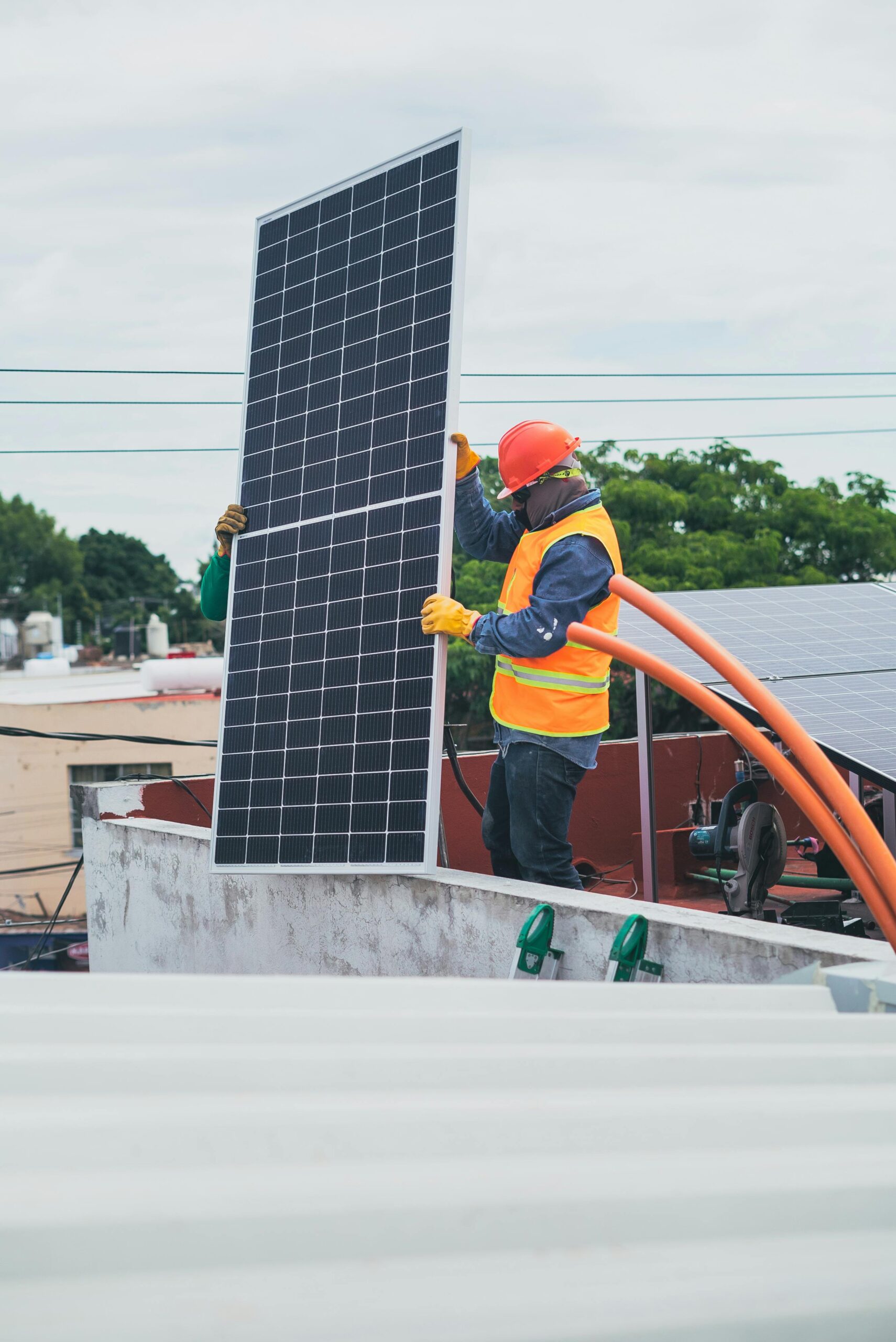
Once permits are approved, installers will mount the panels on your roof, connect the wiring, and install the inverter and other components. This usually takes 1–3 days.
5. Inspection and Activation
After the solar panels are installed, someone from your local area or power company might come to check if everything is working properly. Once they say it’s okay, you can turn on the system and start using solar energy!
Do Solar Panels Work on Cloudy Days?
Yes, solar panels still work on cloudy or rainy days, but their efficiency is reduced. But still they produce power, but less than on sunny days. If you live in a place that’s often cloudy, you might need extra panels to meet your energy needs. Some batteries are also used as backup or to stay connected to the power grid. A solar expert can help you plan the best setup for your area and weather.
What if you make more power than you use?
If your system produces more electricity than your home uses, the extra power can go back into the grid. This is called net metering.
With net metering, your utility company gives you credit for the extra energy, which can help lower your bill even more.
Maintenance Tips
Although solar panels don’t require much upkeep, the following basic advice can help:
- Keep them clean because leaves, dust, or bird droppings can make them less effective. Usually, cleaning them a few times a year is sufficient.
- Look for shade; make sure that no recently added structures or trees are obstructing the sun.
- Keep an eye on your system’s performance; many systems have monitors or apps that let you track energy production.
- The majority of solar panels are covered by warranties and have a 25–30 year lifespan. They will continue to generate energy for decades even though their power output may gradually decrease.
Why is solar right for you?
- If you are planning to live in your home for a long time and your house gets lots of sunlight, then solar panels are a great investment.
- Solar panels reduce electricity, which is a rising issue in Pakistan, and also they are good for the environment.
- But if your roof is shaded, in poor condition, or you’re moving soon, it might not be the best time.
- Also talk to the solar expert, as every home is different, so they can tell you better information after analyzing your house.
Conclusion
Solar panel installation is a fantastic option for your home. By keeping the environment clean, it will lower your electricity bill and possibly raise the value of your home. Despite their apparent difficulty, solar panel installations are simple. You can install solar panels with confidence and begin using inexpensive, clean energy by following these easy steps.
FAQs
- Do solar panels work on cloudy days?
Yes, they work on cloudy days and even rainy days, but their efficiency is reduced. They produced less electricity compared to summer days.
- Do I need batteries with solar panels?
Batteries are usually not required. They are optional, but they store excess energy to use at night or during power outages.
- What is net metering?
Net metering allows solar panels to feed back to the power grid. In return, your utility company gives you credits, which can help lower your electricity bill.
- How long do solar panels last?
Most of the solar panels have 25 to 30 years of lifespan if maintained properly.
- What size of solar panel system do I need?
It depends on your monthly electricity usage. Checking past bills in kilowatt-hours (kWh) will help a solar expert design the right system for your home.