If you are in Pakistan and planning to switch to a solar panel system for your home or business, it will be a smart and great move. As in Pakistan, electricity costs are increasing day by day, which is becoming unbearable and affecting the budget. Load shedding is another big problem in many areas of Pakistan. Many people are now choosing to install solar panels to overcome the problems. As it reduces costly bills and helps with power during load shedding. One important question that comes up before installing solar panels is, how much does it cost to set up a solar system in Pakistan? In this guide, we’ll give you a clear idea about the types of solar systems, their installation, and the costs involved.
Why Solar Energy Is a Good Idea in Pakistan
Pakistan gets lots of sunlight almost all year round. Pakistan enjoys strong sunlight throughout the year, making it perfect for solar power. Whether you live in Karachi, Lahore, Peshawar, or Quetta, sunny days are common. This means you can easily generate free electricity with solar panels. It’s a smart way to power your home or business and save money.
The benefit of using solar energy:
- If you install solar energy, you can save a lot of money. You do not need to rely on expensive electricity provided by companies. Your solar system will produce power for you at almost no cost after installation.
- After installing a solar panel system, you can easily run your appliances even after load shedding or power breakdown just by adding batteries to your system.
- Solar power energy is pollution-free. If you choose a solar power system, this makes the air clean and makes the planet better for the future.
- When you make your own electricity, you don’t have to rely completely on other electricity companies. This gives you more control over your energy use and helps protect you from rising electricity prices.
How Much Does Solar Panel Installation Cost?
The cost of installing solar panels depends on a few key factors:
- System size: A bigger system that produces more electricity will naturally cost more.
- Type of solar panels: Higher-quality, longer-lasting panels usually come at a higher price.
- Type of system: Whether you choose an on-grid, off-grid, or hybrid system will affect the overall cost.
- Installation and warranty: Professional installation and a good warranty might cost a little more, but they give you peace of mind and help your system run smoothly for years.
- Location: The cost of installation of panels may be higher in some areas due to transportation or local conditions.
On average, in Pakistan:
- 1 kW: 250,000–300,000 PKR — Great for small backups, like running fans and lights during power outages.
3 kW: 550,000–700,000 PKR — Good for small homes with basic needs.
5 kW: 900,000–1,200,000 PKR — Perfect for medium-sized homes with ACs and daily appliances.
10 kW: 1,600,000–2,200,000 PKR — Ideal for large homes or small businesses with higher electricity use.
20 kW: 3,200,000–4,000,000 PKR — Best for big homes, factories, or offices with heavy power needs.
These are average prices including panels, inverter, batteries, installation, and wiring. Actual prices can change depending on the brand and installer.
Types of Solar Systems and Their Costs
There are mainly three types of solar systems:
1. On-Grid Solar System
- Connected to the WAPDA/grid, so you don’t need batteries.
- This is the cheapest solar energy option available.
- You can sell any extra electricity you produce back to the grid through net metering.
- The cost is lower compared to hybrid or off-grid systems.
2. Off-Grid Solar System
- Not connected to the grid and works with batteries for energy storage.
- Perfect for far-off places where there is no connection to regular electricity.
- However, batteries can cost a lot and usually need to be changed after some years.
- Because of the batteries, the total price is higher.
3. Hybrid Solar System
- Combines the features of both on-grid and off-grid systems.
- Can use batteries for energy storage and still export extra electricity to the grid.
- Provides the best of both worlds but comes with a higher price tag.
- This is the most expensive system compared to the other two options.
Other Costs to Consider
When planning for solar panel installation, don’t forget about
- Net metering charges (around PKR 100,000–150,000)
- Wiring and protection devices
- Solar mounting structures
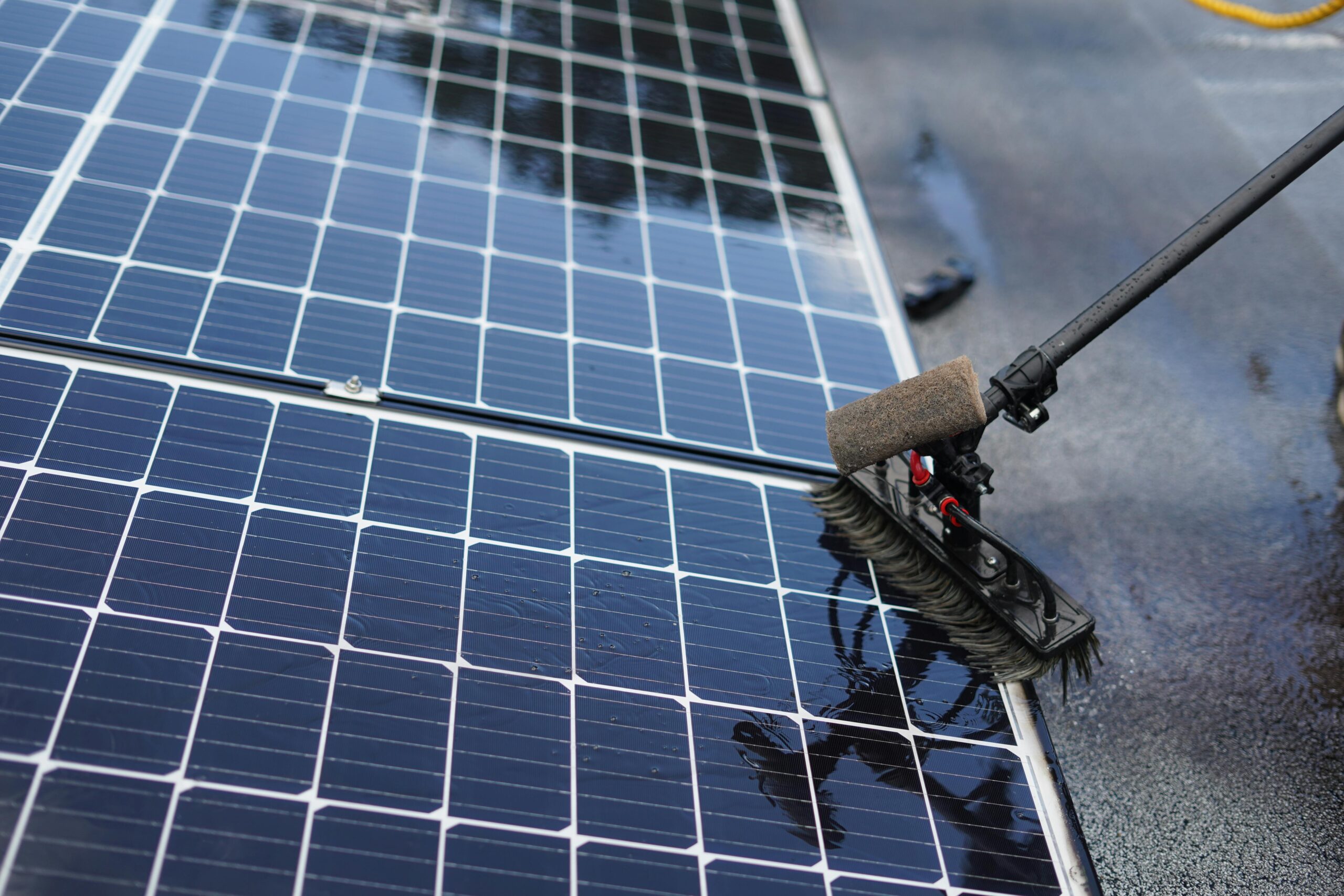
- Maintenance costs (cleaning panels 2-3 times a year)
How Much Can You Save?
Many people wonder, is it really worth it? The answer is yes, definitely! By installing solar panels, you can save a lot. It also helps you use clean, renewable energy and decreases your electricity bills. You get to enjoy big savings while helping the environment at the same time.
For example:
- A 5kW system can save around PKR 20,000–30,000 per month, depending on your usage and the sunlight in your area.
- Most systems pay back their cost within just 3–5 years, which means you recover your investment quite fast.
- After that, you get almost free electricity for the next 20–25 years — that’s a lot of savings. As well as electricity prices keeping rising every year, your savings will only increase with time.
- Most of the solar panels have a warranty of 20-25 years offered by solar companies.
- Solar panels also increase the value of your property, so they are one of the great investments.
Best Brands for Solar Panels in Pakistan
If you want good quality, some top brands are
- Canadian Solar
- Longi
- JA Solar
- Jinko Solar
- Trina Solar
Good inverters are
- Huawei
- GoodWe
- Sungrow
- Growatt
- Inverex
Always ask your installer to give you Tier 1 solar panels. They are tested for quality and last longer.
Government Support for Solar in Pakistan
The government is promoting solar energy through:
- Net Metering Policy (you can sell extra electricity)
- Easy loans for solar installation (by some banks)
- Reduced taxes on solar panels
This makes it a lot easier and more affordable to go solar.
Conclusion
Solar energy is the future of Pakistan; it is clean, reliable, and cost-saving. The installation setup may seem costly, but it is a good investment and can recover soon after reducing electricity bills. You can enjoy free electricity for years if you properly plan and choose the right system and installer. Also, with net metering, you can sell extra power and earn money. If you’re tired of high electricity costs, now is the perfect time to invest in solar panels.
FAQs
Q1: How much space do I need for solar panels?
A 1kW system usually needs around 100 square feet of shade-free space on your rooftop.
Q2: How long do solar panels last?
Good quality panels last for 25–30 years. Inverters last around 8–10 years and batteries (if any) around 3–5 years.
Q3: Can I run an air conditioner on solar?
Yes! With a 5kW or bigger system, you can easily run an air conditioner during the day.
Q4: What is net metering?
Net metering lets you sell extra electricity you generate back to the company. Your meter will go backward when you export electricity.
Q5: Is a battery necessary with solar panels?
No, you don’t need batteries if you’re installing an on-grid solar system. But if you want to store energy for backup during power cuts, you can add batteries or go for a hybrid system.
Q6: Can solar energy damage any home appliances?
No! A properly installed solar system with a good inverter actually provides cleaner electricity than electricity-producing companies, without causing any damage to your appliances.